


The world of structural engineering is shifting beneath our feet literally. As we navigate 2026, the convergence of stricter building mandates and increasingly unpredictable seismic activity has made building safety a top priority for property owners. For those managing assets in high-risk earthquake zones, the conversation has moved beyond simple maintenance to the vital necessity of Seismic Retrofitting.
Maintaining a structure built decades ago according to “good enough” standards is no longer a viable strategy. Modern codes have evolved, reflecting our deeper understanding of how the earth moves and how buildings react. Seismic Retrofitting is the bridge between yesterday’s architecture and tomorrow’s safety requirements, ensuring that vulnerable structures can withstand the forces of nature while protecting both human life and financial investments.
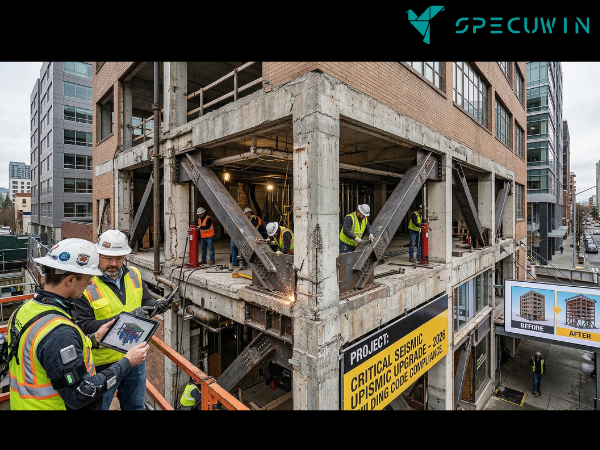
The Urgent Need for Seismic Retrofitting in the Current Landscape:-
The year 2026 marks a turning point in urban resilience. We are seeing a global push for “Resilience-Based Design,” where the goal is not just to prevent a building from collapsing, but to ensure it remains functional after a major event. This is where Seismic Retrofitting becomes the most critical tool in a developer’s or homeowner’s arsenal.
Many existing structures, particularly those constructed before the 1990s, suffer from “soft-story” weaknesses, brittle concrete frames, or unreinforced masonry. These aren’t just technical flaws; they are significant liabilities. By implementing Seismic Retrofitting, owners can mitigate the risk of catastrophic failure, reduce insurance premiums, and significantly increase the market value of their property in a safety-conscious market.
Emerging Technologies in Seismic Retrofitting:-
Modern engineering has moved far beyond simple steel braces. Today, Seismic Retrofitting utilizes space-age materials and smart systems to absorb energy.
Advanced Material Science in Seismic Retrofitting:
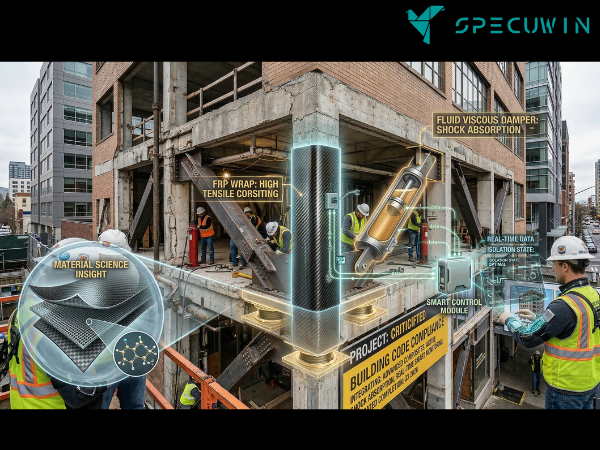
One of the most exciting developments is the use of Fiber-Reinforced Polymers (FRP). These lightweight, incredibly strong wraps are applied to existing columns and beams, providing a “corset” effect that prevents brittle failure without adding significant weight to the structure.
Smart Dampers and Isolation in Seismic Retrofitting:
Base isolation remains the gold standard. By effectively “decoupling” a building from its foundation using lead-rubber bearings, the ground can move while the building remains relatively still. In 2026, we are also seeing the rise of fluid viscous dampers essentially giant shock absorbers that dissipate earthquake energy as heat, preventing it from damaging the building’s skeleton.
Navigating Modern Codes through Seismic Retrofitting:-
Building codes are not static; they are living documents. In 2026, many jurisdictions have adopted the latest International Existing Building Code (IEBC) updates, which demand higher performance levels for older structures.
Seismic Retrofitting allows owners to bring their properties into compliance without the need for total demolition. This is particularly relevant for historical landmarks where preserving the aesthetic integrity is just as important as the structural reinforcement. Through surgical Seismic Retrofitting techniques, engineers can hide reinforcements within the existing fabric of the building, satisfying both safety inspectors and preservationists.
The Economic Impact of Seismic Retrofitting for Asset Protection:-
From a business perspective, Seismic Retrofitting is an insurance policy you can see. High-risk zones are seeing a trend where “brown discounting” occurs the devaluation of properties that do not meet modern seismic standards.
Conversely, buildings that have undergone documented Seismic Retrofitting command higher rents and better financing terms. Investors in 2026 are increasingly looking at “Climate and Seismic Risk Scores” before finalizing acquisitions. Proactive Seismic Retrofitting ensures that your asset remains “bankable” and “insurable” in an era of heightened risk awareness.
Case Studies: Success Stories in Seismic Retrofitting:-
We have seen remarkable transformations in the past year. For instance, high-rise residential towers in seismically active regions have utilized a combination of buckling-restrained braces (BRBs) and carbon fiber wraps. These Seismic Retrofitting projects were completed while the buildings remained occupied, proving that safety upgrades don’t have to mean a total loss of revenue during construction.
For more technical insights into how these reinforcements are executed, you can explore our detailed breakdown on Seismic retrofitting: how we reinforced a high-rise for earthquakes.
Common Challenges in Seismic Retrofitting Projects:-
No two buildings are alike, which means Seismic Retrofitting is never a “one-size-fits-all” solution. Challenges often include:
- Access Constraints: Working in tight urban spaces or occupied buildings.
- Structural Uncertainty: Discovering hidden defects in older materials during the Seismic Retrofitting process.
- Cost vs. Benefit: Balancing the level of protection with the available budget.
However, the risk of doing nothing far outweighs these hurdles. Identifying the Top 10 structural issues in residential buildings is often the first step in determining the scope of a necessary Seismic Retrofitting program.
Digital Twins and BIM: The Future of Seismic Retrofitting:-
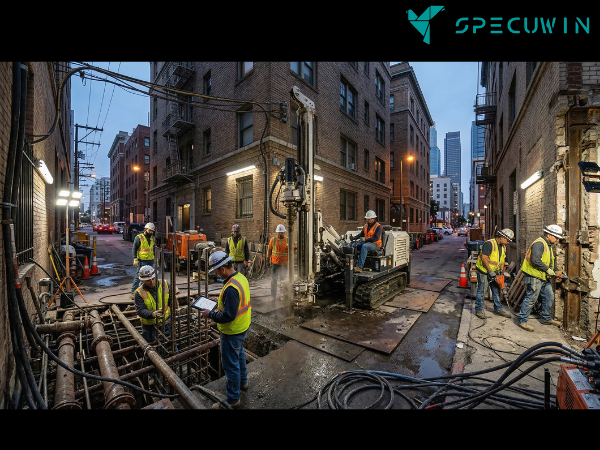
The integration of Building Information Modeling (BIM) has revolutionized how we plan Seismic Retrofitting. By creating a digital twin of an existing structure, engineers can run thousands of earthquake simulations to see exactly where a building will fail.
This data-driven approach allows for “Targeted Seismic Retrofitting,” where reinforcements are only placed where they are absolutely needed. This reduces material waste and labor costs significantly. If you are new to this technology, reading a Guide to getting started in building information modeling can help you understand how digital tools support structural safety.
Conclusion: Making the Move Toward Seismic Retrofitting:-
As we look toward the remainder of 2026 and beyond, the message is clear: resilience is the new standard. Seismic Retrofitting is not just an engineering task; it is a commitment to the longevity of our communities and the safety of our future. Whether you are managing a commercial portfolio or a single historic home, the time to assess your seismic vulnerability is now.
Protecting your assets through Seismic Retrofitting ensures that when the ground moves, your investment and the lives within it remain standing.
FAQ’s:-
1. How long does a typical Seismic Retrofitting project take?
A. The duration depends on the building size and the complexity of the design. Small residential projects may take a few weeks, while large commercial Seismic Retrofitting can span several months, often phased to minimize disruption.
2. Will Seismic Retrofitting make my building “earthquake-proof”?
A. No building is entirely “proofed” against all possible seismic events, but Seismic Retrofitting significantly increases the probability that the structure will remain standing and safe for evacuation during a major quake.
3. Is Seismic Retrofitting required by law in 2026?
A. In many high-risk zones, local ordinances now mandate Seismic Retrofitting for specific building types, such as soft-story apartments or unreinforced masonry. Check your local building department for specific 2026 requirements.
4. Can I stay in my building during Seismic Retrofitting?
A. In many cases, yes. Modern Seismic Retrofitting techniques are designed to be minimally invasive, allowing tenants to remain in place while work is performed on the exterior or foundation.
5. How much does Seismic Retrofitting cost?
A. Costs vary widely based on the structure’s condition. However, when compared to the cost of total loss or the high price of post-earthquake repairs, Seismic Retrofitting is widely considered a highly cost-effective investment.
Read More On:-
For more information about engineering, architecture, and the building & construction sector, go through the posts related to the same topic on the Specuwin Blog Page.
Find out more accurately what we are going to take off in the course of applying leading new technologies and urban design at Specuwin.