

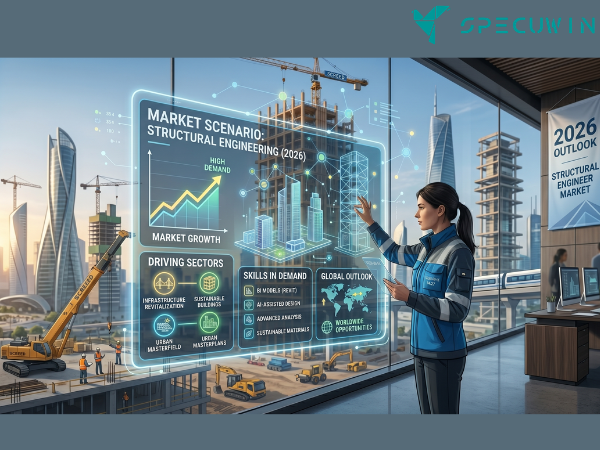
The skyline of 2026 looks significantly different than it did even five years ago, and not just because of the heights of the buildings. Behind every shimmering glass facade and carbon-neutral residential complex lies the expertise of a structural engineer. However, the tools they use and the challenges they face have undergone a massive shift. To understand the current market scenario, we must look at how digital integration and climate resilience have moved from “optional extras” to the very foundation of the profession.
As we navigate through 2026, the demand for structural expertise remains robust, yet the “standard” skill set has been redefined. If you are a professional in the field or a stakeholder in the AEC (Architecture, Engineering, and Construction) industry, staying updated on these shifts is no longer a choice it is a necessity for survival.
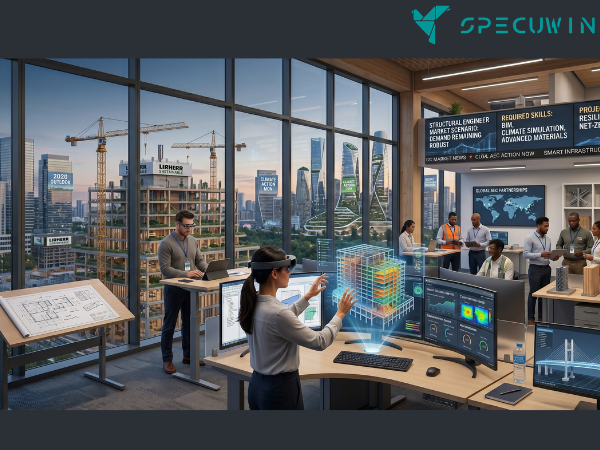
1. The Tech-Driven Current Market Scenario:-
Technology has officially moved from the periphery to the core of structural design. We are no longer just talking about basic 3D modeling; we are talking about living, breathing data ecosystems.
The Dominance of BIM and Digital Twins:
In the current market scenario, Building Information Modeling (BIM) is the baseline. It has transformed from a drafting tool into a comprehensive consultancy asset. By utilizing BIM, engineers can predict clashes, optimize material usage, and ensure seamless communication with contractors. This level of digital maturity is crucial for managing the complexity of modern builds.
Explore more: How BIM is Transforming Consultancy
Furthermore, the rise of Digital Twins allows structural engineers to monitor a building’s health in real-time long after construction is finished. Sensors embedded in the structure feed data back to a digital replica, allowing for predictive maintenance that was previously impossible.
AI and Generative Design:
Artificial Intelligence is no longer a futuristic concept. In the current market scenario, AI acts as a “co-designer.” Generative design algorithms can iterate through thousands of structural configurations to find the one that offers the highest strength with the lowest material weight. This doesn’t replace the engineer; it empowers them to make data-backed decisions faster.
2. Sustainability and the Current Market Scenario:-
Climate change is no longer a distant threat it is a design parameter. Structural engineers in 2026 are at the forefront of the “Green Revolution.”
Low-Carbon Materials:
The industry is moving aggressively “beyond concrete and steel.” While these remain staples, the current market scenario prizes engineers who understand the properties of cross-laminated timber (CLT), recycled aggregates, and carbon-absorbing materials. Reducing “embodied carbon” is now a primary KPI (Key Performance Indicator) for most Tier-1 structural firms.
Resilience and Retrofitting:
As extreme weather events become more frequent, the market for new builds is being matched by a massive surge in seismic retrofitting and climate-resilient upgrades. Engineers are being called upon to strengthen existing infrastructure against rising sea levels, higher wind loads, and seismic activity.
Deep Dive: Seismic Retrofitting High-Rise Buildings
3. Urbanization and High-Rise Challenges in the Current Market Scenario:-
With global populations continuing to migrate toward urban centers, the “only way is up.” This has created a specific niche in the current market scenario for high-rise specialists.
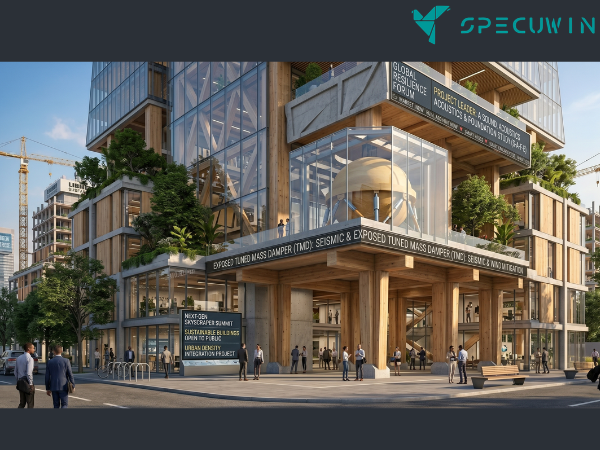
Designing for verticality involves more than just gravity loads; it requires a deep understanding of wind engineering, damping systems, and complex foundation work. The lessons learned from icons like the Burj Khalifa continue to influence how we approach the next generation of skyscrapers.
- Foundation Work: Increased focus on soil testing to support massive loads.
- Safety: Stricter regulations on balcony safety and residential decks.
- Acoustics: Structural solutions to mitigate noise transfer in high-density living.
4. Labor and Outsourcing Trends in the Current Market Scenario:-
One of the most interesting shifts in the current market scenario is how work is distributed. There is a notable talent gap in developed economies, leading to a surge in international collaboration.
BIM Outsourcing:
Firms are increasingly looking toward BIM outsourcing to manage heavy workloads without increasing permanent overhead. This allows local engineers to focus on high-level design and client relations while the technical documentation and modeling are handled by specialized global teams.
The “Future-Ready” Engineer:
To stay competitive, the engineer of 2026 must be a polymath. You need the physics knowledge of a traditional engineer, the coding logic of a software developer, and the environmental conscience of an activist. Specialized BIM training has become the primary gateway for young professionals entering this evolving market.
5. Structural Health and Inspections: A Growing Market:-
The current market scenario isn’t just about building new structures; it’s about managing the aging ones. There is a massive market for structural forensic engineering.
As buildings from the mid-20th century reach the end of their design life, the demand for structural inspections is skyrocketing. Homeowners and commercial property managers are becoming more proactive about identifying common structural problems before they lead to catastrophic failure.
Summary of the Current Market Scenario:-
| Feature | Traditional Approach | 2026 Market Scenario |
| Primary Tool | 2D CAD / Basic 3D | BIM & Digital Twins |
| Material Focus | Cost & Strength | Carbon Footprint & Lifecycle |
| Design Method | Manual Iteration | Generative Design & AI |
| Collaboration | Siloed Departments | Integrated Project Delivery |
| Market Driver | New Construction | Retrofitting & Sustainability |
Conclusion:-
The current market scenario for structural engineers is one of high stakes and high rewards. While the pressure to deliver sustainable, tech-integrated, and resilient structures has never been higher, the tools available to meet these challenges are more powerful than ever. Whether it’s through mastering the role of technology in analysis or pivoting toward green building practices, the path forward is clear: adapt or be left behind.
Structural engineering is no longer just about keeping a building standing; it’s about ensuring that the building contributes positively to the digital and physical environment of the future.
Frequently Asked Questions:-
Q1: Is structural engineering still a high-demand career in 2026?
A. Yes, the demand is stronger than ever, particularly for engineers who have specialized skills in BIM, sustainable materials, and seismic design.
Q2: How is AI affecting the current market scenario for engineers?
A. AI is acting as a force multiplier. It allows engineers to automate repetitive calculations and use generative design to explore more efficient, creative structural solutions.
Q3: Why is BIM so important for structural engineering today?
A. BIM facilitates better collaboration, reduces errors during construction, and provides a data-rich model that can be used for the entire lifecycle of the building.
Q4: What are the most in-demand skills in the current market scenario?
A. Key skills include proficiency in BIM software (like Revit), knowledge of sustainable construction materials, understanding of AI-driven design tools, and expertise in retrofitting older structures.
Q5: Are structural engineers involved in green building projects?
A. Absolutely. Structural engineers are critical in selecting low-carbon materials and designing efficient frames that reduce the overall environmental impact of a project.
Read More On:-
For more information about engineering, architecture, and the building & construction sector, go through the posts related to the same topic on the Specuwin Blog Page.
Find out more accurately what we are going to take off in the course of applying leading new technologies and urban design at Specuwin.