

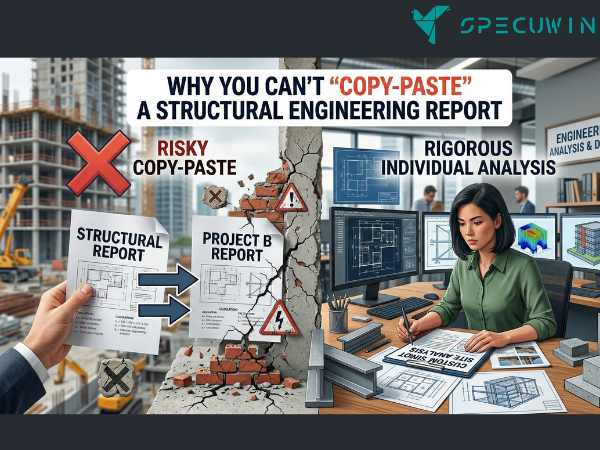
In the world of construction and property management, efficiency is king. With the rise of modular designs and repeatable housing models, it is tempting to think that a Structural Engineering Report created for one project can simply be “recycled” for another similar one. After all, if the floor plan is identical and the materials are the same, why pay for a new assessment?
However, in the realm of structural integrity, there is no such thing as a “carbon copy.” Treating a Structural Engineering Report as a generic template is one of the most dangerous shortcuts a developer, homeowner, or contractor can take. Engineering is not just about the building you see above ground; it is about the invisible, site-specific variables that dictate whether a structure stands for a century or fails in a decade.
The Illusion of the Identical Structural Engineering Report:-
At first glance, two residential buildings might look like twins. They might share the same square footage, the same number of stories, and the same architectural aesthetic. To the untrained eye, the Structural Engineering Report for “House A” should logically apply to “House B” if they are only a few miles apart.
This assumption ignores the fundamental nature of engineering. A Structural Engineering Report is a bespoke diagnostic document. It is a mathematical and physical response to a highly specific set of environmental conditions. When you attempt to copy-paste these findings, you aren’t just saving money you are ignoring the unique geological and atmospheric “fingerprint” of the new site.
Why Site-Specific Data Matters:
Every piece of land has a different story. One lot might sit on stable bedrock, while the neighbor’s lot, just fifty meters away, might sit on expansive clay or loose fill. A Structural Engineering Report designed for bedrock will lead to catastrophic foundation failure if applied to clay without modification.
The Hidden Dangers of Reusing a Structural Engineering Report:-
Reusing a technical document without a fresh site analysis introduces a cascade of risks that can lead to financial ruin, legal battles, and, most importantly, a threat to human life.
1. Geological Variance and Soil Composition:
The foundation of any project is literally dependent on the dirt beneath it. As noted in the importance of soil testing, the bearing capacity of soil dictates the size, depth, and type of footings required. If a Structural Engineering Report is copied from a site with high bearing capacity to one with poor soil, the building will likely experience differential settlement. This leads to cracked walls, jammed doors, and compromised structural frames.
2. Environmental and Seismic Factors:
Even within the same city, micro-climates and seismic zones can vary. For example, a building on a hillside requires different lateral bracing than one on a flat plain. Insights from seismic retrofitting show that reinforcement must be tailored to the specific height and mass of the structure in relation to local seismic risks. A “copy-pasted” Structural Engineering Report may fail to account for these nuances, leaving the building vulnerable to natural disasters.
3. Loading Differences:
A report is calculated based on “Live Loads” (people, furniture) and “Dead Loads” (the weight of the building itself). If the new project uses slightly different materials perhaps a heavier roofing tile or a different flooring the original Structural Engineering Report becomes inaccurate. Modern materials in engineering vary significantly in weight and flexibility; a design optimized for steel might not support a switch to heavy timber or concrete composites.
Legal and Ethical Realities of the Structural Engineering Report:-
Beyond the physical risks, there are massive legal hurdles. An engineering report is a legal instrument. It carries the seal and signature of a licensed professional who assumes liability for that specific design.
Professional Liability:
When an engineer signs a Structural Engineering Report, they are stating that the design is safe for that specific location. If you use that report for a different project without their consent, you are essentially operating without a valid design. In the event of a failure, insurance companies will likely deny claims because the building was not constructed according to a site-authorized Structural Engineering Report.
The Role of the Engineer in Project Success:
Collaboration is vital. As highlighted in the discussion on why contractor-engineer collaboration is key, the engineer must be involved to adapt the design to real-world site conditions. A “copy-paste” mentality cuts the expert out of the loop, removing the safety net of professional oversight.
How to Properly Use a Structural Engineering Report as a Reference:-
While you shouldn’t copy a report, you can certainly learn from previous ones. Understanding How to read a structural engineering report is the first step for any client.
- Reviewing Past Challenges: Look at previous reports to see what issues were encountered in the area, such as common structural problems in old houses.
- Benchmarking Costs: Use old reports to estimate the types of materials and labor that might be required, but always leave room for site-specific adjustments.
- Selecting the Right Expert: Knowing the complexity of past reports helps you in Choosing the right structural engineer who has experience with your specific building type.
The Financial Reality: Why the “Free” Report Costs More:-
The primary motivation for copy-pasting a Structural Engineering Report is cost-cutting. However, this is a classic example of “penny wise, pound foolish.”
Retrofitting Costs:
If you build using an incorrect report and the building begins to sink or crack, the cost of seismic retrofitting or foundation repair will be ten times the cost of an original, site-specific Structural Engineering Report.
Property Value and Inspections:
When it comes time to sell, savvy buyers will look for signs of distress. If a building shows the Top 5 signs it needs an inspection, a fresh audit will be required anyway. If it’s discovered that the building was “bootlegged” from another design, the property value will plummet, and legal liabilities will surface during due diligence.
Conclusion: Respecting the Structural Engineering Report:-
A Structural Engineering Report is not a static piece of paper; it is a living document that bridges the gap between architectural vision and physical reality. It accounts for the soil, the wind, the seismic history, and the specific materials of a single plot of land.
By insisting on a fresh, professional assessment for every project, you aren’t just following regulations you are investing in the longevity of your asset and the safety of everyone who enters it. In the world of engineering, there are no shortcuts to stability.
Frequently Asked Questions:-
1. Can I use a Structural Engineering Report from my neighbor’s identical house?
A. No. Even if the houses are identical, the soil conditions underneath (the “sub-strata”) can vary significantly over just a few meters. You need a report tailored to your specific lot.
2. What are the most common risks of an inaccurate Structural Engineering Report?
A. The most common risks include foundation settlement, wall cracking, roof sagging, and, in extreme cases, total structural collapse during environmental stress like high winds or earthquakes.
3. Does a Structural Engineering Report cover the interior finishes?
A. Generally, no. A Structural Engineering Report focuses on the “bones” of the building foundations, load-bearing walls, beams, and columns—to ensure the building remains standing and safe.
4. How long is a Structural Engineering Report valid?
A. While the physics don’t change, building codes and environmental data do. A report is typically valid for the specific construction permit it was issued for. If a project is delayed for several years, a re-evaluation is often necessary.
5. How do I know if my building needs a new Structural Engineering Report?
A. If you are planning renovations, noticing new cracks, or if the building has undergone a change in use (e.g., turning an attic into a living space), you should consult an engineer for a new assessment.
Read More On:-
For more information about engineering, architecture, and the building & construction sector, go through the posts related to the same topic on the Specuwin Blog Page.
Find out more accurately what we are going to take off in the course of applying leading new technologies and urban design at Specuwin.