

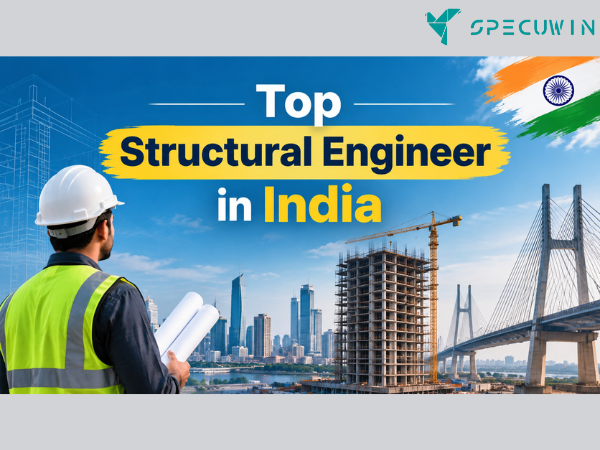
The skyline of India is undergoing a radical transformation. As we move through 2026, the demand for sophisticated, resilient, and sustainable infrastructure has never been higher. At the heart of this revolution is the structural engineer in India, a professional tasked with balancing the laws of physics with the creative visions of modern architecture. Whether it is the construction of ultra-tall skyscrapers in Mumbai or the implementation of smart city infrastructure in GIFT City, these experts are the silent backbone of our nation’s progress.
Finding a top-tier structural engineer in India is no longer just about calculating loads; it is about embracing digital transformation, sustainable materials, and seismic resilience. In this comprehensive guide, we explore the leaders of the industry and the evolving landscape of Indian engineering.
The Evolution of the Structural Engineer in India:-
Historically, engineering in India focused on traditional reinforced concrete and basic steel structures. However, 2026 marks a turning point where the role of the structural engineer in India has expanded into the realms of Building Information Modeling (BIM), Generative Design, and Climate-Resilient construction.
Today’s engineers are not just looking at the blueprints of today; they are planning for the environmental challenges of tomorrow. This involves a deep understanding of How BIM is transforming consultancy and how these digital workflows reduce errors and optimize material usage.
Qualities of a Top Structural Engineer in India:-
What sets the best apart from the rest? When looking for a premier structural engineer in India, several key factors come into play:
- Technological Integration: The best firms utilize advanced software for Structural analysis and design, ensuring that every beam and column is optimized.
- Specialized Expertise: Whether it is Seismic retrofitting or designing for expansive soils, specialized knowledge is non-negotiable.
- Sustainability Focus: With global warming posing a threat, a leading structural engineer in India must prioritize eco-friendly approaches in modern construction.
Major Challenges Faced by the Structural Engineer in India:-
The Indian subcontinent presents a unique set of challenges. From the varying seismic zones to the harsh coastal environments, a structural engineer in India must be incredibly versatile.
Seismic Resilience and Safety:
India has several high-risk earthquake zones. A top-tier structural engineer in India now focuses heavily on Innovations in earthquake-resistant design to ensure that high-rise living is safe for the millions migrating to urban centers.
Managing Aging Infrastructure
Beyond new builds, the structural engineer in India is increasingly called upon to assess older structures. Understanding Common structural problems in old houses is essential for urban renewal projects.
Digital Transformation: The BIM Revolution:-
You cannot discuss the top structural engineer in India in 2026 without mentioning Building Information Modeling. BIM has moved from being a “luxury” to a “standard.” For those entering the field, understanding that BIM is a crucial skill for a future-ready career is vital.
Leading engineering consultancies are now providing BIM training to their staff to bridge the gap between traditional CAD and modern 3D modeling. This transition is documented in detail in guides like From CAD to BIM.
Why Choose Specuwin Structural Consultancy?
In the sea of engineering firms, Specuwin Structural Consultancy stands out as a beacon of innovation and reliability. Specializing in high-end structural design and digital integration, Specuwin is not just a service provider; they are partners in your construction journey.
Whether you are looking for the future of structural engineering trends or need a detailed structural engineering report, Specuwin delivers precision. Their expertise spans from residential balcony safety to complex high-rise challenges.
Partner with Specuwin today to ensure your project stands the test of time and nature. Visit Specuwin.comto explore their full range of consultancy services.
The Importance of Material Science:-
A structural engineer in India must stay ahead of material innovations. Moving beyond concrete and steel, engineers are now exploring composite materials and sustainable alternatives that offer higher durability with a lower carbon footprint. The impact of material selection cannot be overstated, as it determines the longevity and safety of the entire structure.
How to Select the Right Structural Engineer in India:-
Choosing the right partner for your project can be daunting. Here is a quick checklist to help you find a reliable structural engineer in India:
- Check their Portfolio: Look for diverse projects, from bridge design to pre-engineered buildings.
- Verify Certifications: Ensure they are registered with the relevant engineering councils in India.
- Assess their Tech Stack: A forward-thinking structural engineer in India will be proficient in Revit, Navisworks, and AI-driven analysis tools. Refer to this guide on how to choose the right structural engineer for more details.
Future Trends for the Structural Engineer in India:-
As we look toward the end of 2026 and beyond, several trends are defining the industry:
- Digital Twins: Using virtual replicas to monitor building health in real-time.
- Generative Design: Utilizing AI as a “co-designer” to create generative structural designs.
- Automation: The rise of construction robotics is changing how designs are executed on-site.
FAQ’s:-
1. What exactly does a structural engineer in India do?
A. The role of a structural engineer involves ensuring that buildings and structures are safe, stable, and capable of withstanding the loads they will encounter during their lifespan.
2. Why is soil testing important for an engineer?
A. Before any design begins, the importance of soil testing must be emphasized, as the foundation’s stability depends entirely on the ground conditions.
3. When should I call a structural engineer for my house?
A. You should seek a professional if you notice signs your building needs an inspection, such as large cracks, sagging floors, or dampness in foundations.
4. How is BIM different from traditional design?
A. BIM allows a structural engineer in India to create a data-rich 3D model, improving collaboration and reducing waste. For a deeper dive, see our BIM for beginners guide.
5. Are green buildings more expensive to design?
A. While initial costs can be slightly higher, green building components lead to massive long-term savings and a much lower environmental impact.
Read More On:-
For more information about engineering, architecture, and the building & construction sector, go through the posts related to the same topic on the Specuwin Blog Page.
Find out more accurately what we are going to take off in the course of applying leading new technologies and urban design at Specuwin.