Author: John Madrid

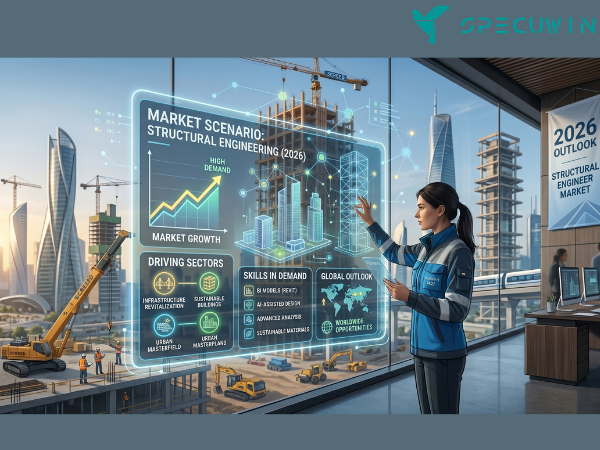
  • What is the Current market scenario for Structural Engineer in 2026

    What is the Current market scenario for Structural Engineer in 2026

    The skyline of 2026 looks significantly different than it did even five years ago, and not just because of the heights of the buildings. Behind every shimmering glass facade and carbon-neutral residential complex lies the expertise of a structural engineer. However, the tools they use and the challenges they face have undergone a massive shift. To understand the current market scenario, we must look at how digital integration and climate resilience have moved from “optional extras” to the very foundation of the profession.

    As we navigate through 2026, the demand for structural expertise remains robust, yet the “standard” skill set has been redefined. If you are a professional in the field or a stakeholder in the AEC (Architecture, Engineering, and Construction) industry, staying updated on these shifts is no longer a choice it is a necessity for survival.

    1. The Tech-Driven Current Market Scenario:-

    Technology has officially moved from the periphery to the core of structural design. We are no longer just talking about basic 3D modeling; we are talking about living, breathing data ecosystems.

    The Dominance of BIM and Digital Twins:

    In the current market scenario, Building Information Modeling (BIM) is the baseline. It has transformed from a drafting tool into a comprehensive consultancy asset. By utilizing BIM, engineers can predict clashes, optimize material usage, and ensure seamless communication with contractors. This level of digital maturity is crucial for managing the complexity of modern builds.

    Explore more: How BIM is Transforming Consultancy

    Furthermore, the rise of Digital Twins allows structural engineers to monitor a building’s health in real-time long after construction is finished. Sensors embedded in the structure feed data back to a digital replica, allowing for predictive maintenance that was previously impossible.

    AI and Generative Design:

    Artificial Intelligence is no longer a futuristic concept. In the current market scenario, AI acts as a “co-designer.” Generative design algorithms can iterate through thousands of structural configurations to find the one that offers the highest strength with the lowest material weight. This doesn’t replace the engineer; it empowers them to make data-backed decisions faster.

    2. Sustainability and the Current Market Scenario:-

    Climate change is no longer a distant threat it is a design parameter. Structural engineers in 2026 are at the forefront of the “Green Revolution.”

    Low-Carbon Materials:

    The industry is moving aggressively “beyond concrete and steel.” While these remain staples, the current market scenario prizes engineers who understand the properties of cross-laminated timber (CLT), recycled aggregates, and carbon-absorbing materials. Reducing “embodied carbon” is now a primary KPI (Key Performance Indicator) for most Tier-1 structural firms.

    Resilience and Retrofitting:

    As extreme weather events become more frequent, the market for new builds is being matched by a massive surge in seismic retrofitting and climate-resilient upgrades. Engineers are being called upon to strengthen existing infrastructure against rising sea levels, higher wind loads, and seismic activity.

    Deep Dive: Seismic Retrofitting High-Rise Buildings

    3. Urbanization and High-Rise Challenges in the Current Market Scenario:-

    With global populations continuing to migrate toward urban centers, the “only way is up.” This has created a specific niche in the current market scenario for high-rise specialists.

    Designing for verticality involves more than just gravity loads; it requires a deep understanding of wind engineering, damping systems, and complex foundation work. The lessons learned from icons like the Burj Khalifa continue to influence how we approach the next generation of skyscrapers.

    • Foundation Work: Increased focus on soil testing to support massive loads.
    • Safety: Stricter regulations on balcony safety and residential decks.
    • Acoustics: Structural solutions to mitigate noise transfer in high-density living.

    4. Labor and Outsourcing Trends in the Current Market Scenario:-

    One of the most interesting shifts in the current market scenario is how work is distributed. There is a notable talent gap in developed economies, leading to a surge in international collaboration.

    BIM Outsourcing:

    Firms are increasingly looking toward BIM outsourcing to manage heavy workloads without increasing permanent overhead. This allows local engineers to focus on high-level design and client relations while the technical documentation and modeling are handled by specialized global teams.

    The “Future-Ready” Engineer:

    To stay competitive, the engineer of 2026 must be a polymath. You need the physics knowledge of a traditional engineer, the coding logic of a software developer, and the environmental conscience of an activist. Specialized BIM training has become the primary gateway for young professionals entering this evolving market.

    5. Structural Health and Inspections: A Growing Market:-

    The current market scenario isn’t just about building new structures; it’s about managing the aging ones. There is a massive market for structural forensic engineering.

    As buildings from the mid-20th century reach the end of their design life, the demand for structural inspections is skyrocketing. Homeowners and commercial property managers are becoming more proactive about identifying common structural problems before they lead to catastrophic failure.
    Summary of the Current Market Scenario:-

    FeatureTraditional Approach2026 Market Scenario
    Primary Tool2D CAD / Basic 3DBIM & Digital Twins
    Material FocusCost & StrengthCarbon Footprint & Lifecycle
    Design MethodManual IterationGenerative Design & AI
    CollaborationSiloed DepartmentsIntegrated Project Delivery
    Market DriverNew ConstructionRetrofitting & Sustainability

    Conclusion:-

    The current market scenario for structural engineers is one of high stakes and high rewards. While the pressure to deliver sustainable, tech-integrated, and resilient structures has never been higher, the tools available to meet these challenges are more powerful than ever. Whether it’s through mastering the role of technology in analysis or pivoting toward green building practices, the path forward is clear: adapt or be left behind.

    Structural engineering is no longer just about keeping a building standing; it’s about ensuring that the building contributes positively to the digital and physical environment of the future.

    Frequently Asked Questions:-

    Q1: Is structural engineering still a high-demand career in 2026?
    A. Yes, the demand is stronger than ever, particularly for engineers who have specialized skills in BIM, sustainable materials, and seismic design.

    Q2: How is AI affecting the current market scenario for engineers?
    A. AI is acting as a force multiplier. It allows engineers to automate repetitive calculations and use generative design to explore more efficient, creative structural solutions.

    Q3: Why is BIM so important for structural engineering today?
    A. BIM facilitates better collaboration, reduces errors during construction, and provides a data-rich model that can be used for the entire lifecycle of the building.

    Q4: What are the most in-demand skills in the current market scenario?
    A. Key skills include proficiency in BIM software (like Revit), knowledge of sustainable construction materials, understanding of AI-driven design tools, and expertise in retrofitting older structures.

    Q5: Are structural engineers involved in green building projects?
    A. Absolutely. Structural engineers are critical in selecting low-carbon materials and designing efficient frames that reduce the overall environmental impact of a project.


    Read More On:-

    For more information about engineering, architecture, and the building & construction sector, go through the posts related to the same topic on the Specuwin Blog Page.

    Find out more accurately what we are going to take off in the course of applying leading new technologies and urban design at Specuwin.
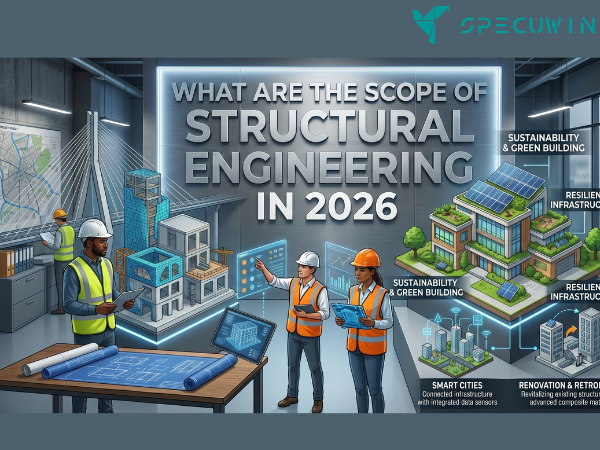
  • What are the Scope of Structural Engineering in 2026

    What are the Scope of Structural Engineering in 2026

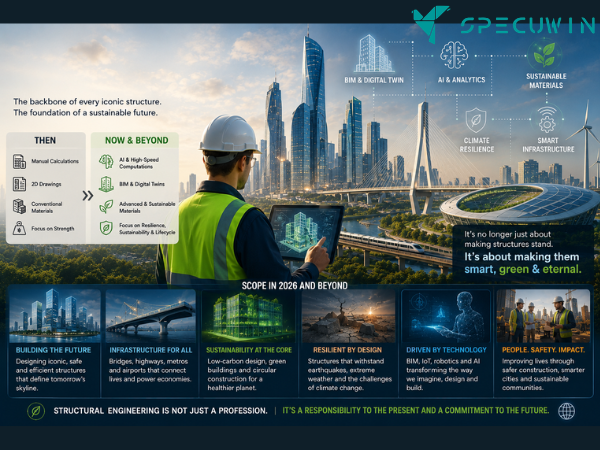
    The skyline of our world is changing, and it isn’t just about height anymore. In 2026, the backbone of every skyscraper, bridge, and carbon-neutral stadium is the result of a field undergoing a massive digital and ecological rebirth. If you are a student, a professional, or an industry stakeholder, understanding the Scope of Structural Engineering today is essential to navigating the complexities of modern construction.

    Gone are the days when a structural engineer’s role was limited to manual calculations and blueprints. Today, we stand at the intersection of high-speed computation, material science, and climate resilience. The industry is no longer just about making things “stand up”; it’s about making them “smart,” “green,” and “eternal.”

    The Evolving Digital Scope of Structural Engineering:-

    The most significant shift in the Scope of Structural Engineering involves the integration of advanced digital workflows. We have moved past basic computer-aided design into an era of deep simulation.

    1. The Proliferation of BIM and Digital Twins:

    Building Information Modeling (BIM) is no longer an “extra” service; it is the industry standard. Engineers now work within high-fidelity 3D environments that allow for real-time collaboration. By Choosing the right structural engineer who is fluent in these tools, firms can identify clashes before a single brick is laid.

    Beyond BIM, 2026 has seen the rise of Digital Twins. These are virtual replicas of physical structures that stay “alive” throughout the building’s lifecycle. Sensors embedded in the concrete feed data back to the digital model, allowing engineers to predict maintenance needs or structural fatigue before they become hazards.

    2. AI and Generative Design:

    Artificial Intelligence has expanded the Scope of Structural Engineering by acting as a “co-designer.” Through Generative design in structural engineering, an engineer can input parameters such as weight limits, material types, and budget and an AI algorithm will generate thousands of optimized design iterations. This ensures the most efficient use of materials, significantly reducing waste.

    Sustainability: A New Pillar in the Scope of Structural Engineering:-

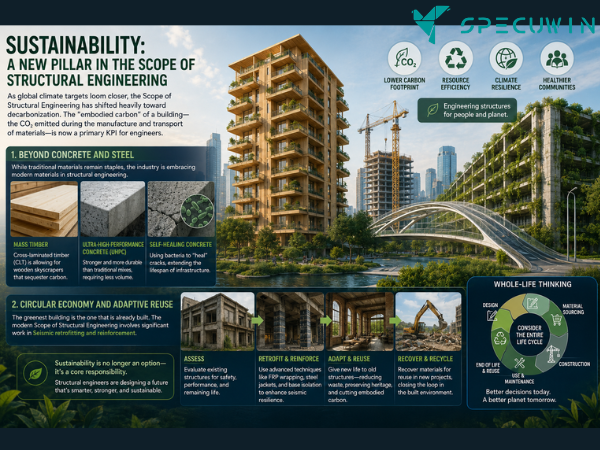
    As global climate targets loom closer, the Scope of Structural Engineering has shifted heavily toward decarbonization. The “embodied carbon” of a building the CO2 emitted during the manufacture and transport of materials is now a primary KPI for engineers.

    1. Beyond Concrete and Steel:

    While traditional materials remain staples, the industry is embracing Modern materials in structural engineering. We are seeing the widespread adoption of:

    • Mass Timber: Cross-laminated timber (CLT) is allowing for wooden skyscrapers that sequester carbon.
    • Ultra-High-Performance Concrete (UHPC): Stronger and more durable than traditional mixes, requiring less volume.
    • Self-Healing Concrete: Using bacteria to “heal” cracks, extending the lifespan of infrastructure.

    2. Circular Economy and Adaptive Reuse:

    The greenest building is the one that is already built. The modern Scope of Structural Engineering involves significant work in Seismic retrofitting and reinforcement. Instead of demolishing old structures, engineers are finding ways to strengthen them to meet modern safety standards and energy codes.

    Urbanization and the Scope of Structural Engineering in High-Rise Design:-

    With the world’s population continuing to migrate to urban centers, the demand for vertical living has never been higher. However, the challenges of high-rise buildings are evolving.

    1. Combatting Natural Disasters:

    In 2026, seismic and wind engineering have reached new heights of sophistication. Engineers are now implementing active damping systems massive tuned mass dampers controlled by AI to counteract the sway of super-tall towers during storms or tremors. Understanding the secrets of earthquake-resistant design is now a core requirement for anyone entering the field.

    2. Infrastructure for Smart Cities:

    The Scope of Structural Engineering now extends to integrated infrastructure. Bridges aren’t just for cars; they are conduits for fiber optics, sensors, and renewable energy harvesters. The role of BIM in bridge design has been pivotal in creating these multi-functional assets that serve the needs of a connected society.

    Career Opportunities: Is the Scope of Structural Engineering Growing?

    For those entering the workforce, the Scope of Structural Engineering is broader than ever. The role has diversified into several specialized niches:

    • Forensic Structural Engineer: Investigating why buildings fail and providing expert testimony.
    • Sustainability Consultant: Helping firms minimize their carbon footprint through material selection and efficient design.
    • BIM Manager: Overseeing the digital lifecycle of complex projects.
    • Restoration Specialist: Focusing on the maintenance of historic monuments and old residential houses.

    The demand for these roles is being driven by both new construction in developing nations and the urgent need to repair aging infrastructure in developed ones.

    The Critical Role of Interdisciplinary Collaboration:-

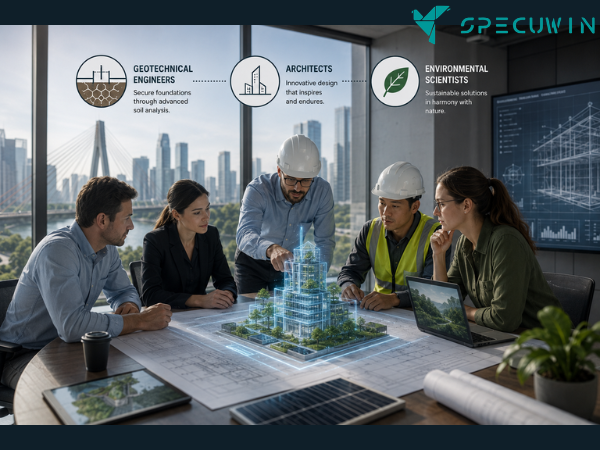
    In 2026, the Scope of Structural Engineering is no longer a siloed discipline. The success of a project depends on collaboration between contractors and engineers.

    Structural engineers now work closely with:

    • Geotechnical Engineers: To ensure foundations are secure through comprehensive soil testing.
    • Architects: To push the boundaries of form without compromising safety.
    • Environmental Scientists: To ensure the structure harmonizes with the local ecosystem.

    Conclusion: The Future Horizon:-

    The Scope of Structural Engineering in 2026 is defined by resilience. Whether it’s protecting a family home by identifying common structural issues or designing the next global icon like the Burj Khalifa, the structural engineer is the guardian of the built environment.

    As we look toward the future, the integration of robotics, AI, and bio-materials will only continue to expand this field. For the aspiring engineer, the message is clear: the scope is vast, the technology is ready, and the world is waiting for you to build its future.

    FAQ’s:-

    1. Is Structural Engineering still a good career in 2026?
    A. Absolutely. With the global push for sustainable infrastructure and the renovation of aging cities, the demand for skilled structural engineers is at an all-time high.

    2. How has AI affected the Scope of Structural Engineering?
    A. AI has automated repetitive calculations and optimized material usage, allowing engineers to focus more on creative problem-solving and complex design challenges.

    3. What skills are most important for structural engineers today?
    A. Beyond core physics and math, proficiency in BIM software, an understanding of sustainable material science, and data analysis skills are crucial.

    4. Does the Scope of Structural Engineering include residential work?
    A. Yes. From inspecting balconies for safety to diagnosing foundation issues in old homes, residential engineering is a vital and steady sector.

    5. How do I stay updated with the changing Scope of Structural Engineering?
    A. Continuous learning through BIM training and following industry-leading blogs is the best way to stay ahead of the curve.


    Read More On:-

    For more information about engineering, architecture, and the building & construction sector, go through the posts related to the same topic on the Specuwin Blog Page.

    Find out more accurately what we are going to take off in the course of applying leading new technologies and urban design at Specuwin.
  • Top Structural Engineering firms in 2026

    Top Structural Engineering firms in 2026

    The skyline of 2026 looks remarkably different than it did even five years ago. As we navigate an era defined by rapid urbanization, climate resilience, and digital transformation, the role of the structural engineer has evolved from a silent calculator to a primary innovator. Today, the world’s most iconic structures from carbon-neutral skyscrapers to resilient coastal infrastructure are the result of visionary work by elite organizations.

    Choosing the right partner for a complex build is no longer just about load-bearing calculations; it is about finding a team that integrates Building Information Modeling (BIM), artificial intelligence, and sustainable material science into the very fabric of their design. In this comprehensive guide, we explore the industry leaders setting the gold standard for excellence.

    What Defines the Leading Structural Engineering Firms This Year?

    Before diving into the specific names, it is essential to understand what separates the “best” from the “rest” in 2026. The industry has shifted toward a more holistic approach. The top-tier players are no longer just focused on ensuring a building stays up; they are focused on how the building lives, breathes, and impacts its environment over a 100-year lifecycle.

    Modern leaders in the field have mastered the transition From CAD to BIM, allowing for enhanced project delivery and real-time collaboration. They are the firms that treat a structure as a data-rich asset rather than just a physical object.

    1. WSP Global: Masters of Complex Urban Environments:-

    WSP continues to dominate the global rankings, particularly known for their ability to handle “mega-projects” in dense urban cores. Their approach to high-rise design is legendary, but in 2026, they have pivoted heavily toward the adaptive reuse of existing structures.

    • Core Strength: WSP excels at integrating multidisciplinary services, ensuring that structural integrity works in perfect harmony with MEP (Mechanical, Electrical, and Plumbing) and environmental goals.
    • Innovation Spotlight: They have been early adopters of Generative design in structural engineering, using AI to iterate thousands of structural possibilities to find the one with the lowest carbon footprint and highest material efficiency.

    2. Arup: The Pioneers of Sustainable Integrity:-

    If there is one firm that defines the intersection of art and engineering, it is Arup. Long known for the Sydney Opera House, their 2026 portfolio is focused on “Regenerative Design.” They aren’t just trying to do “less harm”; they are designing structures that actively contribute to the health of their ecosystems.

    • Core Strength: Arup’s internal research and development arm is unparalleled. They consistently push the boundaries of Modern materials in structural engineering, moving beyond traditional concrete and steel to explore mass timber and carbon-negative composites.
    • Why They Lead: Their commitment to total design means every bolt and beam is scrutinized for its environmental impact and aesthetic contribution.

    3. Thornton Tomasetti: Leaders in Resilience and Forensics:-

    Thornton Tomasetti has maintained its position among the top structural engineering firms by becoming the go-to experts for extreme conditions. Whether it is designing for hurricane-force winds or performing deep-dive forensic analysis on aging infrastructure, their technical depth is world-class.

    • Core Strength: They are world leaders in seismic retrofitting, helping cities like San Francisco and Tokyo reinforce their historic high-rises against the inevitable “big one.”
    • Digital Excellence: Their use of Digital Twins has revolutionized how they hand over projects to clients, providing a living digital model that tracks structural health in real-time.

    4. AECOM: Bridging Infrastructure and Innovation:-

    AECOM’s massive scale allows them to tackle projects that involve more than just buildings. In 2026, they are the undisputed leaders in bridge design and large-scale transportation hubs. They have successfully integrated BIM in bridge design, allowing for seamless connections in complex civil projects.

    • Core Strength: Managing the sheer scale of international infrastructure.
    • Recent Success: AECOM has been instrumental in the global rollout of high-speed rail networks, utilizing advanced structural analysis to ensure safety at speeds exceeding 350 km/h.

    The Technological Edge of Elite Structural Engineering Firms:-

    The firms listed above don’t just have the best engineers; they have the best tools. The “tech stack” of a premier engineering office in 2026 involves a sophisticated blend of simulation and automation.

    The Role of Building Information Modeling (BIM):

    Leading firms have moved past the “beginner” stages of BIM. They now use it for 4D (scheduling) and 5D (costing) analysis. By Outsourcing BIM for architectural and engineering tasks, even smaller specialized firms are now able to compete with global giants by leveraging high-quality documentation and clash detection.

    AI and Robotics in Construction:

    We are seeing a massive shift in how structures are actually put together. Top structural engineering firms are now designing for “Robotic Assembly.” This involves creating components that can be easily handled by automated systems on-site, reducing human error and increasing safety. The impact of AI and robotics is most visible in the precision of pre-engineered components.

    Why Sustainability is the New Structural Standard:-

    In 2026, a “good” design that is not sustainable is considered a “bad” design. The industry has moved toward the “Net Zero” mandate. This has forced structural engineering firms to look closely at the impact of material selection on structural integrity.

    Key trends include:

    • Low-Carbon Concrete: Using fly ash and slag to reduce the carbon footprint of traditional pours.
    • Mass Timber: Utilizing cross-laminated timber (CLT) for mid-to-high-rise residential buildings.
    • Circular Economy: Designing buildings that can be “disassembled” at the end of their life rather than demolished, allowing materials to be reused.

    How to Choose Among Top Structural Engineering Firms for Your Project:-

    If you are a developer or an architect looking for a partner, the “biggest” firm isn’t always the “best” fit. You need to align the firm’s specialty with your project’s specific challenges.

    1. Check Their Tech Maturity: Do they use BIM for consultancy? If they are still relying on 2D workflows, they will likely fall behind on coordination and budget.
    2. Evaluate Their Communication: Structural reports can be dense. You want a firm that knows how to write a report that a client can actually understand.
    3. Sustainability Credentials: Ask for their data on embodied carbon. If they can’t give you a number, they aren’t ready for 2026 standards.
    4. Collaboration History: Ensure they have a proven track record of collaboration with contractors, as this is where most budget overruns are either created or avoided.

    The Future: What’s Next for Structural Engineering Firms?

    As we look toward the end of the decade, the integration of Digital Twins and Smart Infrastructure will become the standard. We are moving toward “Self-Healing Structures” concrete that can repair its own cracks and sensors embedded in steel that alert owners to fatigue before it becomes a risk.

    The structural engineering firms that thrive will be those that view themselves not just as designers of skeletons, but as guardians of the built environment’s data and durability.

    Frequently Asked Questions:-

    1. What is the most important technology used by structural engineering firms today?
    A. Currently, Building Information Modeling (BIM) is the backbone of the industry. It allows firms to create a digital representation of the physical and functional characteristics of a place, ensuring better coordination and fewer on-site errors.

    2. How do structural engineering firms contribute to green building?
    A. They contribute by optimizing material use to reduce “embodied carbon.” This involves selecting eco-friendly materials and using advanced software to ensure the structure is as lean and efficient as possible without compromising safety.

    3. Are these firms only for large commercial projects?
    A. While many top firms handle mega-projects, most have specialized departments for residential or mid-sized commercial builds. Even small projects benefit from the advanced structural analysis and design technology these firms use.

    4. How has AI changed the way structural engineering firms work?
    A. AI is used for “generative design,” where engineers input parameters (like weight limits and wind speeds) and the AI suggests the most efficient shapes and structures, often resulting in designs that humans wouldn’t have thought of on their own.

    5. Why is seismic retrofitting a priority for these firms in 2026?
    A. With climate change and shifting tectonic patterns, many older buildings no longer meet modern safety codes. Leading firms specialize in innovations in earthquake-resistant design to protect lives and preserve existing urban assets.


    Read More On:-

    For more information about engineering, architecture, and the building & construction sector, go through the posts related to the same topic on the Specuwin Blog Page.

    Find out more accurately what we are going to take off in the course of applying leading new technologies and urban design at Specuwin.
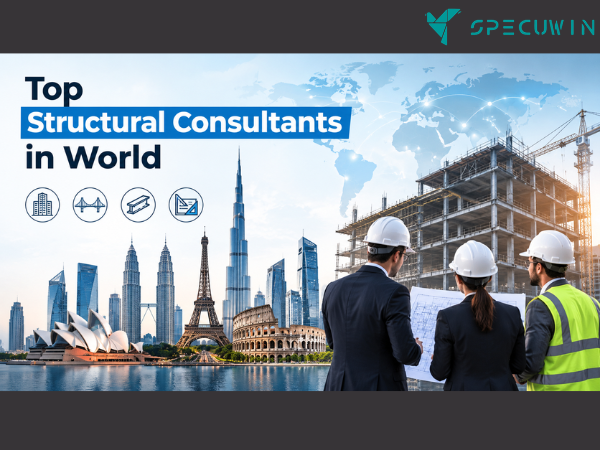
  • Top Structural Consultants in World in [year]

    Top Structural Consultants in World in [year]

    The architectural marvels that define our modern cities from gravity-defying skyscrapers to expansive transit hubs are more than just artistic visions. They are triumphs of engineering made possible by the elite Structural Consultants in World. As we navigate through 2026, the demand for structural integrity, seismic resilience, and carbon-neutral construction has reached an all-time high.

    In this deep dive, we explore the firms that are currently leading the charge, setting the gold standard for how we design, build, and maintain the skeletal framework of our global infrastructure.

    Why We Need Elite Structural Consultants in World:-

    Behind every iconic facade lies a complex web of physics and material science. Structural consultants are the unsung heroes who ensure that buildings can withstand the forces of nature, including wind, gravity, and tectonic shifts. In 2026, the role of these consultants has evolved from mere “calculators” to “innovation partners.”

    Today’s leading firms aren’t just looking at how much load a beam can carry; they are integrating Artificial Intelligence and Building Information Modeling (BIM) to optimize every kilogram of steel and cubic meter of concrete. This shift is vital as the industry moves toward Sustainable structures and eco-friendly approaches.

    The Global Leaders: Top Structural Consultants in World:-

    1. WSP Global:

    A perennial powerhouse, WSP continues to dominate the global landscape. With a massive presence across North America, Europe, and Asia, they are known for tackling the most complex high-rise challenges. Their expertise was instrumental in the design of the Burj Khalifa, and they continue to push boundaries in 2026 with projects focusing on “living skyscrapers” that incorporate urban forestry into structural frames.

    2. Arup:

    Arup is often cited as the most “creative” engineering firm. They are the go-to consultants for architects who want to break the rules of geometry. In 2026, Arup is leading the way in generative design in structural engineering, using AI to co-design structures that use 30% less material while maintaining superior strength.

    3. Thornton Tomasetti:

    If you are looking for leaders in forensic engineering and skyscraper design, Thornton Tomasetti remains at the pinnacle. They have become world leaders in “resilient design,” ensuring that buildings in flood-prone or earthquake-heavy zones are not just safe, but functional immediately after a disaster. Their work on Innovations in earthquake-resistant design remains the industry benchmark.

    4. AECOM:

    As one of the largest diversified engineering firms, AECOM’s structural division benefits from a massive cross-disciplinary pool of knowledge. They specialize in massive infrastructure projects, such as stadium roofs and bridge networks. Their ability to manage the Structural engineering of high-rise buildings alongside civil and environmental constraints makes them a global favorite for government-scale projects.

    5. Meinhardt Group:

    With a strong stronghold in the Middle East and Asia-Pacific, Meinhardt has become a dominant force among Structural Consultants in World. They are particularly noted for their speed and efficiency in emerging markets, helping cities like Ho Chi Minh City and Mumbai transition into high-rise hubs.

    Technological Shifts Defining Structural Consultants in World:-

    The landscape of structural engineering in 2026 is unrecognizable compared to a decade ago. The top firms have embraced digital transformation to stay competitive.

    The Digital Twin Revolution:

    Modern consultants no longer hand over a set of static drawings. Instead, they provide a “Digital Twin” a virtual replica of the building that lives and breathes alongside the physical structure. This allows for real-time monitoring of stress and strain, which is a revolutionary impact on facility management.

    Advanced Material Selection:

    We are moving beyond the era where concrete and steel were the only options. The most forward-thinking Structural Consultants in World are now experimenting with:

    • Carbon-negative concrete: Concrete that actually absorbs CO-2 as it cures.
    • Mass Timber: Engineered wood that can support mid-to-high-rise buildings with a significantly lower carbon footprint.
    • Self-healing materials: Biological agents within the material that can “heal” micro-cracks before they become structural issues.

    Understanding modern materials in structural engineering is now a core competency for any top-tier firm.

    How to Choose Among the Best Structural Consultants in World:-

    With so many giants in the field, how does a developer or an architect choose the right partner? It often comes down to three specific factors:

    1. Specialization and Complexity:

    Some firms excel at residential luxury, while others are built for industrial heavy-lifting. Before hiring, it is crucial to understand the role of a structural engineer in relation to your specific project needs. If you are building a bridge, you want a firm with a portfolio in BIM for bridge design.

    2. Technological Integration:

    In 2026, if a consultant isn’t using BIM, they are already behind. How BIM is transforming consultancy is evident in the reduced error rates and better collaboration between teams. Ensure your chosen firm is “future-ready.”

    3. Sustainability and Ethics:

    The “greenest” building is the one that stays standing for 100 years. The best Structural Consultants in World prioritize longevity and low embodied carbon. They help clients navigate the transition from risk to resilience in the face of a changing climate.

    Future Trends for Structural Consultants in World:-

    As we look toward the end of the decade, several trends are poised to redefine the industry:

    • Robotic Construction: Consulting firms are now designing structures specifically to be built by robots. This requires a different approach to joint design and material handling.
    • Space-Age Engineering: With lunar and Martian habitats on the horizon, some elite structural firms are already opening “off-world” divisions to study structural integrity in low-gravity environments.
    • Modular and Pre-Engineered Buildings: To solve the global housing crisis, consultants are perfecting pre-engineered buildings for commercial projects, allowing for rapid, high-quality assembly.

    Conclusion: The Impact of Top Structural Consultants in World:-

    The world is getting taller, denser, and more complex. The Structural Consultants in World mentioned above are not just designing buildings; they are designing the future of human habitation. By blending ancient principles of physics with cutting-edge AI and sustainable practices, they ensure that our built environment is safe, beautiful, and enduring.

    Whether you are a student looking to join a future-ready AEC career or a developer seeking the best in the business, understanding these leaders is the first step toward building something that lasts.

    Frequently Asked Questions:-

    1. What do the top Structural Consultants in World charge for their services?
    A. Fees typically range from 1% to 5% of the total construction cost, depending on the complexity of the project and the reputation of the firm. High-profile firms like Arup or WSP often charge a premium for their specialized expertise.

    2. How has AI changed the way structural consultants work in 2026?
    A. AI is used for “optioneering” generating thousands of design iterations to find the most efficient use of materials. It also helps in predictive maintenance, identifying where a building might fail before it actually does.

    3. Do these global consultants work on small residential projects?
    A. While the “Big Five” typically handle multi-million dollar projects, many have subsidiary branches or “boutique” arms that handle high-end residential work. However, for standard homes, most people hire local licensed engineers.

    4. What is the most important qualification for a structural consultant?
    A. Beyond a degree and professional licensure (like a P.E. or C.Eng), the most important asset is their “Track Record.” A firm’s history of solving top structural issues in buildings is the best indicator of future success.

    5. How do I know if a building has been designed by a top-tier consultant?
    A. Most iconic buildings list their engineering partners on commemorative plaques or official project websites. You can also look for hallmarks like unique geometries, exceptionally thin slabs, or innovative use of sustainable materials.


    Read More On:-

    For more information about engineering, architecture, and the building & construction sector, go through the posts related to the same topic on the Specuwin Blog Page.

    Find out more accurately what we are going to take off in the course of applying leading new technologies and urban design at Specuwin.
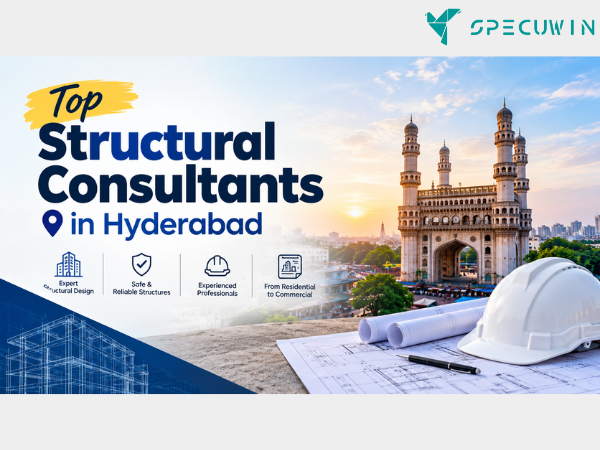
  • Top Structural Consultants in Hyderabad in [year]

    Top Structural Consultants in Hyderabad in [year]

    Hyderabad’s skyline is undergoing a radical transformation. From the towering high-rises in Financial District to the sprawling tech parks in Gachibowli and the heritage-sensitive restorations in the Old City, the demand for precision engineering has never been higher. When you are investing crores into a project, the skeletal integrity of your building is not something you leave to chance. This is why choosing the right Structural Consultants in Hyderabad is the most critical decision a developer, architect, or individual homeowner can make.

    In this comprehensive guide, we explore the leaders in the industry who are blending traditional engineering prowess with modern technologies like BIM (Building Information Modeling) and AI-driven analysis to shape the city’s future.

    Why You Need Expert Structural Consultants in Hyderabad:-

    The geology of Hyderabad is unique. Dominated by hard granite rock and pockets of expansive black cotton soil, the foundation design for any structure here requires local expertise. A consultant who understands the “Deccan Trap” soil profile can save a developer millions in unnecessary excavation or foundation over-design.

    Moreover, as the city moves toward vertical living, the complexity of lateral load resistance handling wind pressures and seismic forces—becomes paramount. The Structural Consultants in Hyderabad listed below have proven their mettle by delivering projects that are not just safe, but also economically optimized.

    1. Pinnacle IIT (Consultancy & EdTech):

    Leading the pack with a dual focus on execution and education, Pinnacle IIT has carved a niche in the Hyderabad market. They don’t just design; they innovate using advanced digital workflows. By integrating structural design with BIM, they ensure that the “as-built” reality matches the “as-designed” digital twin. This minimizes on-site clashes and material wastage.

    • Specialization: High-rise residential, commercial complexes, and BIM-integrated structural design.
    • Why they stand out: Their deep-rooted expertise in Structural engineering of high-rise buildings allows them to tackle the complex wind load requirements of Hyderabad’s new 50+ story towers.

    2. Zaki & Associates:

    A legacy name in the Hyderabad engineering circuit, Zaki & Associates has been a cornerstone of the city’s development for decades. They are known for their massive portfolio of public infrastructure and high-volume residential projects.

    • Specialization: Large-scale gated communities and public infrastructure.
    • Why they stand out: Their experience with traditional RCC (Reinforced Cement Concrete) is unparalleled, making them a go-to for reliability.

    3. Buro Happold (Hyderabad Branch):

    For international-standard iconic structures, Buro Happold brings global expertise to the local Hyderabad market. They are often involved in projects that require complex geometries or sustainable “green” structural footprints.

    • Specialization: Iconic commercial hubs and sustainable steel structures.
    • Why they stand out: They lead the way in sustainable structures and eco-friendly approaches, ensuring that the carbon footprint of the building’s “bones” is minimized.

    4. Tandon Consultants:

    While headquartered elsewhere, their presence in Hyderabad’s major bridge and flyover projects is significant. If you’ve driven over a major new flyover in the city recently, there’s a high chance they had a hand in it.

    • Specialization: Bridges, flyovers, and heavy civil infrastructure.

    5. Naveen Structural Consultants:

    Specializing in the mid-market segment, Naveen Structural Consultants are the favorites for independent villas and commercial showrooms. They offer a personalized touch that large multinational firms often lack.

    • Specialization: Boutique residential and retail spaces.

    Technical Trends Followed by Structural Consultants in Hyderabad:-

    The year 2026 marks a turning point in how engineering is practiced in Telangana. No longer is a simple 2D AutoCAD drawing sufficient. The top firms have shifted toward a more holistic approach.

    The Shift to BIM and Digital Twins:

    Modern Structural Consultants in Hyderabad are increasingly adopting Building Information Modeling. This technology allows for a 3D representation of the building that includes not just geometry, but data on material properties and costs.

    Seismic Retrofitting and Safety:

    While Hyderabad is in a relatively stable seismic zone (Zone II), the height of new structures necessitates a “safety first” approach. Leading consultants are now being hired not just for new builds, but for Seismic retrofitting of older IT parks and commercial buildings to bring them up to modern safety codes.

    Advanced Material Selection:

    Moving beyond standard M25 or M30 concrete, consultants are now experimenting with high-performance concrete, geopolymer concrete, and advanced steel alloys. This shift is crucial for structural integrity in the harsh, humid summers and monsoon cycles of South India.

    How to Choose the Right Structural Consultants in Hyderabad:-

    Selecting a consultant is about more than just the lowest quote. A cheap design often leads to an expensive construction phase due to “over-engineering” (putting in more steel than necessary because the engineer wasn’t confident in their calculations).

    1. Check their Tech Stack: Do they use Revit and Navisworks, or are they stuck in 2D? A tech-forward firm will save you money in the long run.
    2. Verify Local Experience: They must understand local municipal (GHMC) bylaws and soil conditions.
    3. Communication Skills: Structural engineering is a collaborative effort. Your consultant must be able to Collaborate effectively with contractors to ensure the design is actually buildable on-site.
    4. Portfolio Diversification: Look for a firm that has handled projects similar in scale to yours.

    The Future: AI and Generative Design:-

    As we look toward the end of 2026, the role of Structural Consultants in Hyderabad is evolving again. We are seeing the rise of Generative Design, where AI algorithms suggest the most efficient structural layout based on weight and stress constraints. This allows engineers to act as “co-designers” with AI, leading to radical new shapes and unprecedented material efficiency.

    Conclusion:-

    Whether you are building a dream home or a massive commercial tech park, the Structural Consultants in Hyderabad you choose will be the silent partners in your project’s success. From the veteran reliability of firms like Zaki & Associates to the tech-integrated brilliance of Pinnacle IIT, the city is home to world-class engineering talent.

    Don’t treat structural engineering as a “box to be checked.” Treat it as the foundation of your investment’s future.

    FAQ’s:-

    1. What is the typical fee for Structural Consultants in Hyderabad?
    A. Fees vary based on project scale. For residential projects, it often ranges from ₹3 to ₹7 per square foot, while large commercial projects may work on a percentage of the total structural cost (usually 0.5% to 1.5%).

    2. Do I need a structural engineer for a simple house renovation?
    A. Yes, if you are moving load-bearing walls, adding a floor, or changing the roof structure. You should always check for top structural issues in residential buildings before starting a renovation.

    3. How do I verify the license of an engineer in Hyderabad?
    A. You can verify their credentials through the GHMC (Greater Hyderabad Municipal Corporation) registered engineer list or check if they are members of the Institution of Engineers (India).

    4. What is the difference between an architect and a structural consultant?
    A. The architect focuses on the aesthetics, layout, and functionality. The structural consultant focuses on the “bones” ensuring the building can support its own weight and withstand external forces like wind and earthquakes.

    5. How long does the structural design process take?
    A. For a standard residential building, the initial design and drawings can take 1–2 weeks. For high-rises, the analysis phase can take several months.


    Read More On:-

    For more information about engineering, architecture, and the building & construction sector, go through the posts related to the same topic on the Specuwin Blog Page.

    Find out more accurately what we are going to take off in the course of applying leading new technologies and urban design at Specuwin.
  • Top Structural Engineer in India in [year]

    Top Structural Engineer in India in [year]

    The skyline of India is undergoing a radical transformation. As we move through 2026, the demand for sophisticated, resilient, and sustainable infrastructure has never been higher. At the heart of this revolution is the structural engineer in India, a professional tasked with balancing the laws of physics with the creative visions of modern architecture. Whether it is the construction of ultra-tall skyscrapers in Mumbai or the implementation of smart city infrastructure in GIFT City, these experts are the silent backbone of our nation’s progress.

    Finding a top-tier structural engineer in India is no longer just about calculating loads; it is about embracing digital transformation, sustainable materials, and seismic resilience. In this comprehensive guide, we explore the leaders of the industry and the evolving landscape of Indian engineering.

    The Evolution of the Structural Engineer in India:-

    Historically, engineering in India focused on traditional reinforced concrete and basic steel structures. However, 2026 marks a turning point where the role of the structural engineer in India has expanded into the realms of Building Information Modeling (BIM), Generative Design, and Climate-Resilient construction.

    Today’s engineers are not just looking at the blueprints of today; they are planning for the environmental challenges of tomorrow. This involves a deep understanding of How BIM is transforming consultancy and how these digital workflows reduce errors and optimize material usage.

    Qualities of a Top Structural Engineer in India:-

    What sets the best apart from the rest? When looking for a premier structural engineer in India, several key factors come into play:

    1. Technological Integration: The best firms utilize advanced software for Structural analysis and design, ensuring that every beam and column is optimized.
    2. Specialized Expertise: Whether it is Seismic retrofitting or designing for expansive soils, specialized knowledge is non-negotiable.
    3. Sustainability Focus: With global warming posing a threat, a leading structural engineer in India must prioritize eco-friendly approaches in modern construction.

    Major Challenges Faced by the Structural Engineer in India:-

    The Indian subcontinent presents a unique set of challenges. From the varying seismic zones to the harsh coastal environments, a structural engineer in India must be incredibly versatile.

    Seismic Resilience and Safety:

    India has several high-risk earthquake zones. A top-tier structural engineer in India now focuses heavily on Innovations in earthquake-resistant design to ensure that high-rise living is safe for the millions migrating to urban centers.

    Managing Aging Infrastructure

    Beyond new builds, the structural engineer in India is increasingly called upon to assess older structures. Understanding Common structural problems in old houses is essential for urban renewal projects.

    Digital Transformation: The BIM Revolution:-

    You cannot discuss the top structural engineer in India in 2026 without mentioning Building Information Modeling. BIM has moved from being a “luxury” to a “standard.” For those entering the field, understanding that BIM is a crucial skill for a future-ready career is vital.

    Leading engineering consultancies are now providing BIM training to their staff to bridge the gap between traditional CAD and modern 3D modeling. This transition is documented in detail in guides like From CAD to BIM.

    Why Choose Specuwin Structural Consultancy?

    In the sea of engineering firms, Specuwin Structural Consultancy stands out as a beacon of innovation and reliability. Specializing in high-end structural design and digital integration, Specuwin is not just a service provider; they are partners in your construction journey.

    Whether you are looking for the future of structural engineering trends or need a detailed structural engineering report, Specuwin delivers precision. Their expertise spans from residential balcony safety to complex high-rise challenges.

    Partner with Specuwin today to ensure your project stands the test of time and nature. Visit Specuwin.comto explore their full range of consultancy services.

    The Importance of Material Science:-

    A structural engineer in India must stay ahead of material innovations. Moving beyond concrete and steel, engineers are now exploring composite materials and sustainable alternatives that offer higher durability with a lower carbon footprint. The impact of material selection cannot be overstated, as it determines the longevity and safety of the entire structure.

    How to Select the Right Structural Engineer in India:-

    Choosing the right partner for your project can be daunting. Here is a quick checklist to help you find a reliable structural engineer in India:

    • Check their Portfolio: Look for diverse projects, from bridge design to pre-engineered buildings.
    • Verify Certifications: Ensure they are registered with the relevant engineering councils in India.
    • Assess their Tech Stack: A forward-thinking structural engineer in India will be proficient in Revit, Navisworks, and AI-driven analysis tools. Refer to this guide on how to choose the right structural engineer for more details.

    Future Trends for the Structural Engineer in India:-

    As we look toward the end of 2026 and beyond, several trends are defining the industry:

    • Digital Twins: Using virtual replicas to monitor building health in real-time.
    • Generative Design: Utilizing AI as a “co-designer” to create generative structural designs.
    • Automation: The rise of construction robotics is changing how designs are executed on-site.

    FAQ’s:-

    1. What exactly does a structural engineer in India do?
    A. The role of a structural engineer involves ensuring that buildings and structures are safe, stable, and capable of withstanding the loads they will encounter during their lifespan.

    2. Why is soil testing important for an engineer?
    A. Before any design begins, the importance of soil testing must be emphasized, as the foundation’s stability depends entirely on the ground conditions.

    3. When should I call a structural engineer for my house?
    A. You should seek a professional if you notice signs your building needs an inspection, such as large cracks, sagging floors, or dampness in foundations.

    4. How is BIM different from traditional design?
    A. BIM allows a structural engineer in India to create a data-rich 3D model, improving collaboration and reducing waste. For a deeper dive, see our BIM for beginners guide.

    5. Are green buildings more expensive to design?
    A. While initial costs can be slightly higher, green building components lead to massive long-term savings and a much lower environmental impact.


    Read More On:-

    For more information about engineering, architecture, and the building & construction sector, go through the posts related to the same topic on the Specuwin Blog Page.

    Find out more accurately what we are going to take off in the course of applying leading new technologies and urban design at Specuwin.

  • Top Structural Engineering Companies in World

    The skyline of any modern city is a testament to human ingenuity and the rigorous application of physics. Behind every soaring skyscraper, elegant bridge, and resilient industrial complex stands a team of experts from world-class structural engineering companies. These firms are the silent architects of safety, translating ambitious architectural visions into stable, enduring realities. As the construction industry evolves with rapid urbanization and climate challenges, the role of these organizations has never been more critical.

    Why Structural Engineering Companies Matter in 2026:-

    Structural engineering is no longer just about calculating loads and choosing between steel or concrete. In 2026, the leading structural engineering companies are at the forefront of digital transformation, sustainability, and resilience. They utilize advanced Building Information Modeling (BIM) to create “digital twins” of structures long before ground is broken. This integration of technology ensures that projects are not only structurally sound but also optimized for energy efficiency and material conservation.

    1. WSP Global Inc.:

    Headquartered in Canada, WSP has grown into a global powerhouse through strategic acquisitions and a relentless focus on complex infrastructure. They are frequently cited as one of the most versatile structural engineering companies due to their work on projects like the Shard in London and various high-speed rail networks. Their expertise spans across transportation, building sectors, and environmental consultancy, making them a one-stop shop for massive urban developments.

    2. AECOM:

    AECOM consistently ranks at the top of industry lists. As one of the largest structural engineering companies, they manage projects that define entire regions. From the One World Trade Center in New York to massive stadiums and airports, AECOM’s reach is unparalleled. They are pioneers in integrating sustainable practices into structural design, ensuring that the heavy carbon footprint typically associated with construction is mitigated through smart engineering.

    3. Arup:

    If there is a firm known for “poetic engineering,” it is Arup. This employee-owned firm is celebrated among structural engineering companies for its collaborative approach with architects. Arup was the force behind the Sydney Opera House and continues to lead in “total design.” They are currently focusing heavily on generative design and AI, using technology as a co-designer to find the most efficient structural forms.

    4. Thornton Tomasetti:

    Specializing in the “extraordinary,” Thornton Tomasetti is one of the premier structural engineering companies for supertall buildings and forensic engineering. When a structure needs to push the boundaries of height or requires complex seismic retrofitting, they are the go-to experts. They have been instrumental in the design of some of the world’s tallest towers, including the Jeddah Tower and Taipei 101.

    5. Jacobs Solutions Inc.:

    Jacobs is a leader among structural engineering companies that focus on mission-critical infrastructure. Their work often involves government contracts, aerospace facilities, and massive water treatment plants. They excel in project management and technical excellence, ensuring that high-stakes structural projects are delivered with precision and long-term viability.

    Check our guide on How to choose the right structural engineer.

    The Role of Technology in Modern Structural Engineering Companies:-

    The landscape for structural engineering companies has been permanently altered by the adoption of BIM and digital tools. Gone are the days of siloed workflows. Today, the transition from CAD to BIM allows for enhanced project delivery and real-time collaboration between contractors and engineers. This technological shift is crucial for addressing common structural issues in both residential and commercial buildings before they manifest physically.

    For instance, the use of BIM in bridge design allows engineers to structure connections digitally, identifying potential clashes and stresses in a virtual environment. Furthermore, innovations in earthquake-resistant design have moved from simple reinforcement to sophisticated damping systems that allow buildings to “sway” safely during seismic events. Learn more about How BIM is transforming consultancy.

    Specuwin Structural Consultancy:-

    While global giants handle the world’s largest skyscrapers, Specuwin Structural Consultancy provides the specialized, high-tech expertise required for modern project success. As a leader in the integration of Building Information Modeling, Specuwin understands how BIM is transforming consultancy by providing clearer insights and reducing risks.

    Read our case study on Seismic retrofitting for high-rises. Or need a comprehensive structural inspection for an existing property, Specuwin delivers precision-driven solutions. We bridge the gap between traditional engineering and the future of construction technology.

    Explore our services at Specuwin.com and see how we bring structural integrity to life.

    Sustainable Trends in Leading Structural Engineering Companies:-

    Sustainability is no longer an “extra” it is a requirement. The top structural engineering companies are now exploring modern materials that go beyond concrete and steel, such as mass timber and carbon-negative composites. These eco-friendly approaches are essential for meeting global climate goals. From risk assessment to resilience, engineers are now tackling climate change by designing structures that can withstand extreme weather and rising sea levels.

    How to Choose Between Structural Engineering Companies:-

    Selecting the right partner for your project depends on several factors:

    • Specialization: Does the firm have experience in your specific sector (e.g., residential, industrial, or bridges)?
    • Technology Adoption: Are they using the latest BIM training and tools to ensure accuracy?
    • Local Knowledge: Do they understand the specific soil testing requirements and local building codes?
    • Collaboration: Do they have a proven track record of effective communication between engineers and contractors?

    FAQ’s:-

    1. What is the role of a structural engineer?
    A. A structural engineer ensures that buildings and infrastructure are safe, stable, and capable of withstanding the loads and forces they will encounter.

    2. Why is BIM important for structural engineering companies?
    A. BIM allows for a digital representation of the building, which improves coordination, reduces errors, and helps in visualizing the project from start to finish.

    3. When should I hire a structural consultancy?
    A. You should hire one for any new construction, major renovations, or if you notice signs like cracks or sagging that suggest a structural inspection is needed.

    4. How do structural engineering companies handle earthquake safety?
    A. They use innovations in earthquake-resistant design, such as base isolation and seismic retrofitting, to protect structures from ground movement.

    5. What are the common structural issues in residential buildings?
    A. Common issues include foundation settlement, timber decay, and inadequate load-bearing walls, all of which require professional assessment.


    Read More On:-

    For more information about engineering, architecture, and the building & construction sector, go through the posts related to the same topic on the Specuwin Blog Page.

    Find out more accurately what we are going to take off in the course of applying leading new technologies and urban design at Specuwin.

  • Top structural Engineering design companies in India in 2026

    The skyline of India is undergoing a radical transformation. As we move through 2026, the demand for sophisticated infrastructure ranging from high-speed rail corridors to sustainable “smart” skyscrapers has reached an all-time high. Behind every resilient bridge and gravity-defying tower stands a team of experts. Identifying the right structural Engineering design companies is no longer just about finding someone to calculate loads; it is about finding partners who integrate Artificial Intelligence, Building Information Modeling (BIM), and sustainable material science into the very DNA of a project.

    In this comprehensive guide, we explore the giants and the specialized innovators that define the landscape of structural Engineering design companies in India this year. Whether you are a developer, an aspiring engineer, or a government stakeholder, understanding who is leading the charge in structural integrity is vital for the success of future-ready urban spaces.

    The Evolution of structural Engineering design companies in a Digital Age:-

    The year 2026 marks a turning point where traditional “pencil and paper” engineering has been almost entirely replaced by generative design and digital twins. The top structural Engineering design companies are those that have successfully pivoted from legacy CAD systems to fully integrated BIM environments. This transition allows for real-time collaboration, reducing onsite errors and significantly cutting down material waste.

    India’s geographic diversity from the seismic zones of the Himalayas to the corrosive coastal environments of the South demands a level of expertise that only a few firms can truly master. The companies listed below have demonstrated an ability to marry technical prowess with local environmental considerations.

    1. Tata Consulting Engineers (TCE):

    A perennial leader among structural Engineering design companies, TCE continues to dominate the industrial and infrastructure sectors. In 2026, they remain at the forefront of nuclear power plant design and massive urban transit systems. Their approach focuses heavily on “Constructability,” ensuring that complex designs are actually feasible on the ground.

    2. L&T Infrastructure Engineering:

    As a subsidiary of the construction behemoth, L&T Infrastructure Engineering is perhaps the most visible of the structural Engineering design companies in the country. Their portfolio for 2026 includes several landmark “Gati Shakti” projects and massive sea links. They are currently pioneers in using high-performance concrete and carbon-fiber reinforcement in large-scale public works.

    3. Specuwin Structural Consultancy: The Boutique Powerhouse:

    While the giants handle the massive public contracts, Specuwin Structural Consultancy has carved out a prestigious niche among structural Engineering design companies by focusing on high-end residential, commercial, and specialized retrofitting projects.

    Known for their deep integration of BIM workflows, Specuwin bridges the gap between complex architectural vision and structural reality. They are particularly recognized for their work in:

    • Seismic Retrofitting: Strengthening existing structures to meet 2026 safety standards.
    • BIM-Driven Design: Ensuring zero-clash coordination between MEP and structural elements.
    • Sustainable Engineering: Optimizing material use to reduce the carbon footprint of modern buildings.

    4. Afcons Infrastructure (Design Division):

    Mainly known for their execution, Afcons’ in-house design wing has emerged as one of the top structural Engineering design companies for extreme engineering. From underwater tunnels to bridges in high-altitude terrains, their design team specializes in “extreme structural resilience.”

    5. Meinhardt India:

    As a global firm with a massive Indian footprint, Meinhardt is a go-to among structural Engineering design companies for developers looking for international-grade luxury high-rises. Their expertise in wind engineering and lateral load analysis for super-tall structures is second to none in the Indian market as of 2026.

    Technical Trends Defining structural Engineering design companies in 2026:-

    To stay relevant, the best structural Engineering design companies are adopting technologies that were considered “experimental” just a few years ago.

    Generative Design and AI:

    We are seeing a shift where engineers no longer just draw beams; they input parameters into AI algorithms. The top structural Engineering design companies use these tools to generate thousands of design iterations, choosing the one that offers the highest strength with the lowest weight.

    Focus on Seismic Resilience:

    Given that a large portion of India lies in high-risk seismic zones, structural Engineering design companies are now prioritizing advanced base isolation and damper technologies. The goal is no longer just “life safety” (where the building stands but is unusable after a quake) but “immediate occupancy.”

    How to Choose Among Top structural Engineering design companies:-

    Selecting a partner for your project requires looking beyond the brand name. Consider these three pillars:

    1. Software Proficiency: Does the company use Revit, Navisworks, and specialized analysis tools like ETABS or STAAD.Pro?
    2. Portfolio Diversity: Have they worked on projects similar to yours? A firm great at bridges might not be the best choice for a 50-story residential tower.
    3. Sustainability Commitment: Are they using software to calculate the “embodied carbon” of the structure? In 2026, green building certifications are a necessity, not an option.

    Partner with Specuwin Structural Consultancy:-

    Are you looking for a structural partner who understands the balance between safety, cost-efficiency, and architectural beauty? Specuwin Structural Consultancy is a leading name among structural Engineering design companies that specializes in bringing complex visions to life.

    Whether it’s a high-rise residential project or a complex industrial facility, Specuwin utilizes state-of-the-art BIM technology to ensure your project is delivered with precision and zero structural surprises.

    Visit us at: Specuwin.com

    Precision. Innovation. Integrity.

    Conclusion:-

    As we look toward the remainder of 2026 and beyond, the role of structural Engineering design companies will only become more critical. With climate change posing new threats to the built environment, the ability to design resilient, adaptable, and “smart” structures is what will separate the leaders from the followers. By choosing a firm that embraces technology and specialized expertise—like the ones highlighted today you ensure that your project is not just built for today, but for the next century.

    Frequently Asked Questions:-

    1. What makes a company one of the top structural Engineering design companies in India?
    A. The top firms are characterized by their use of advanced technology (BIM, AI), a proven track record of safety, and the ability to handle complex, large-scale projects across different geographic terrains.

    2. Why is BIM important when selecting structural Engineering design companies?
    A. BIM (Building Information Modeling) allows for a 3D digital representation of the building. It helps in detecting “clashes” between structural elements and pipes or wires before construction starts, saving time and money.

    3. Do structural Engineering design companies help with existing building repairs?
    A. Yes, many specialized firms, including Specuwin, offer services like seismic retrofitting and structural audits to strengthen and repair older buildings.

    4. How do these companies handle environmental sustainability?
    A. Modern firms use software to optimize the amount of steel and concrete used, reducing waste. They also explore “Green” materials like fly-ash bricks or recycled steel to lower the carbon footprint.

    5. What is the average cost of hiring top structural Engineering design companies?
    A. Costs vary significantly based on project scale and complexity. Most firms charge either a percentage of the total construction cost or a fixed fee based on the square footage and scope of work.


    Read More On:-

    For more information about engineering, architecture, and the building & construction sector, go through the posts related to the same topic on the Specuwin Blog Page.

    Find out more accurately what we are going to take off in the course of applying leading new technologies and urban design at Specuwin.
  • Top structural Engineering companies in India in 2026

    The Indian construction landscape is undergoing a massive transformation. As we navigate through 2026, the demand for resilient, sustainable, and technologically advanced infrastructure has never been higher. From ultra-high-rise residential towers in Mumbai to sprawling industrial corridors in Gujarat, the backbone of this growth is the expertise of the Top structural Engineering companies.

    Structural engineering is no longer just about ensuring a building stands; it is about optimizing materials, integrating BIM (Building Information Modeling) workflows, and ensuring seismic resilience in an increasingly unpredictable climate. In this comprehensive guide, we explore the industry leaders setting new benchmarks for excellence this year.

    The Evolution of the Industry and Top Structural Engineering Companies:-

    India’s AEC (Architecture, Engineering, and Construction) sector has matured significantly. The integration of Digital Twins, AI-driven generative design, and advanced structural analysis software has allowed firms to push the boundaries of physics. The Top structural Engineering companies in 2026 are those that have successfully transitioned from traditional CAD-based workflows to fully integrated, data-rich environments.

    This transition is not merely a trend but a necessity for navigating the transition for enhanced project delivery. Companies are now focusing on the “Total Lifecycle” of a structure, considering everything from carbon footprint to end-of-life deconstruction.

    1. Tata Consulting Engineers (TCE):-

    A perennial leader, TCE continues to dominate the industrial and infrastructure segments. Their work in 2026 focuses heavily on massive energy projects and complex urban transit systems. Their ability to handle multi-disciplinary projects makes them a staple among the Top structural Engineering companies.

    2. L&T Construction (Strategic Engineering Group):-

    L&T remains the titan of Indian construction. Their structural engineering wing is currently at the forefront of “Special Bridges” and high-speed rail infrastructure. By utilizing advanced BIM in bridge design, they have significantly reduced execution errors in complex geometries.

    3. Sterling Engineering Consultancy Services:-

    Specializing in high-rise and iconic structures, Sterling is the go-to firm for developers looking to create landmarks. Their expertise in lateral load analysis for wind and seismic forces places them firmly within the list of Top structural Engineering companies. They often lead the way in Structural engineering of high-rise buildings, solving the unique challenges of vertical density.

    4. WSP India:-

    As a global player with a massive Indian footprint, WSP brings international standards to local projects. In 2026, they are specifically noted for their commitment to Sustainable structures and eco-friendly approaches, helping India reach its net-zero goals through innovative material selection.

    5. Meinhardt India:-

    Meinhardt’s influence spans across commercial, residential, and retail sectors. Their focus on “Smart Structures” that integrate IoT sensors for real-time health monitoring has solidified their reputation. Their forward-thinking approach to the future of structural engineering makes them a key player this year.

    Key Criteria for Top Structural Engineering Companies in 2026:-

    What separates a standard consultancy from the industry elite? In 2026, the criteria have shifted from simple experience to technological agility and specialized expertise.

    Adoption of Advanced Technology:

    The Top structural Engineering companies now utilize AI as a “co-designer.” Generative design allows engineers to input constraints—such as load requirements and site boundaries and let algorithms suggest the most material-efficient shapes. You can learn more about how generative design in structural engineering is changing the game.

    Seismic and Disaster Resilience:

    With urban centers expanding into seismic zones, expertise in earthquake-resistant design is paramount. Leading firms are now experts in innovations in earthquake-resistant design, using base isolation and dampers to protect lives and assets.

    Sustainability and Material Innovation:

    The use of high-performance concrete, recycled steel, and even engineered timber is on the rise. The Top structural Engineering companies are those that understand the impact of material selection on structural integrity while minimizing environmental damage.

    Why Choose One of the Top Structural Engineering Companies?

    For project owners and developers, the choice of a structural consultant is the most critical decision in the project lifecycle. A top-tier firm provides:

    • Cost Optimization: Through precise analysis, they prevent “over-designing,” saving tons of steel and concrete.
    • Safety Assurance: They identify top structural issues before they manifest on-site.
    • Future-Proofing: By using Digital Twins, they provide owners with a virtual model for future maintenance and facility management.

    Special Spotlight: Specuwin Structural Consultancy:-

    While the giants handle the nation’s largest infrastructure, specialized firms like Specuwin Structural Consultancy are redefining what it means to be a modern engineering partner.

    Specuwin excels in bridging the gap between complex engineering theory and practical site execution. Whether it is seismic retrofitting for aging assets or providing BIM training to create the next generation of engineers, Specuwin is a powerhouse of innovation.

    Build with Confidence with Specuwin Are you looking for structural designs that are safe, economical, and BIM-compliant? Specuwin Structural Consultancy offers end-to-end services from initial soil report analysis to final structural stability certificates. Let us turn your architectural vision into a structural reality. Visit Specuwin.com today!


    Navigating Challenges with Top Structural Engineering Companies:-

    In 2026, the industry faces unique hurdles. Climate change has led to more extreme weather events, requiring engineers to design for higher wind loads and flood risks. The Top structural Engineering companies are meeting this challenge by moving from risk to resilience.

    Furthermore, the complexity of modern architecture with its cantilevered slabs and organic curves requires a high degree of collaboration between contractors and structural engineers. The best firms act as partners, not just service providers.

    Conclusion:-

    The Top structural Engineering companies in India in 2026 are more than just calculators of loads; they are the architects of safety and the pioneers of sustainability. By integrating BIM, AI, and advanced materials, these firms ensure that India’s growth is built on a foundation that is as smart as it is strong.

    Whether you are a developer planning a skyscraper or a student looking to start a future-ready career in AEC, keeping an eye on these industry leaders is essential for staying ahead in the modern world.

    Frequently Asked Questions:-

    1. How do I choose the right structural engineer for my project?
    A. Look for firms with specific experience in your project type and a strong portfolio of BIM-integrated projects. Detailed advice can be found in our guide on how to choose the right structural engineer.

    2. What is the role of BIM in modern structural engineering?
    A. BIM allows for better visualization, clash detection, and coordination, ultimately transforming how consultancies operate.

    3. Why is soil testing important before structural design?
    A. The foundation is only as good as the ground it sits on. Soil testing determines the bearing capacity and dictates the type of foundation required.

    4. What are the common structural issues in residential buildings?
    A. Common problems include foundation settlement, seepage-led corrosion, and unauthorized structural changes. Recognizing the signs your building needs an inspection is key to safety.

    5. How is AI being used by Top Structural Engineering companies?
    A. AI is used for generative design, predictive maintenance through sensors, and automating repetitive analysis tasks, allowing engineers to focus on creative problem-solving.


    Read More On:-

    For more information about engineering, architecture, and the building & construction sector, go through the posts related to the same topic on the Specuwin Blog Page.

    Find out more accurately what we are going to take off in the course of applying leading new technologies and urban design at Specuwin.
  • Top Structural Consultants in India in [year]

    The rapid urbanization of the Indian subcontinent has necessitated a shift from traditional masonry to complex, high-rise, and long-span structures. Central to this transformation are the top structural consultants who blend mathematical precision with creative problem-solving. Whether it is a skyscraper in Mumbai or a resilient bridge in the Himalayas, the integrity of India’s infrastructure rests on the expertise of these engineering powerhouses.

    The Evolution of Engineering with Top Structural Consultants:-

    Historically, structural engineering in India was limited by material availability and manual calculation methods. Today, the landscape is unrecognizable. The integration of Building Information Modeling (BIM) and advanced FEA (Finite Element Analysis) software has allowed engineers to push the boundaries of physics.

    Leading firms are no longer just “calculators” but strategic partners in the design process. They ensure that buildings are not only safe but also cost-effective and sustainable. As India aims for a $5 trillion economy, the role of structural experts in developing smart cities and industrial hubs becomes paramount.

    Key Attributes of Top Structural Consultants in the AEC Industry:-

    Selecting a consultant involves more than checking a license. The most reputable firms in India share several defining characteristics:

    1. Technological Adoption: The best firms utilize Revit, Navisworks, and Tekla for seamless coordination.
    2. Specialization: Many focus on niche areas such as seismic retrofitting or modular prefabrication.
    3. Sustainability Focus: Incorporating green building materials and optimizing steel consumption is now a standard practice.
    4. Global Standards: Adhering to both Indian Standards (IS Codes) and international Eurocodes or ASCE standards for global projects.

    Integrating Digital Twins and IoT in Structural Health:-

    The concept of a “Digital Twin” is perhaps the most revolutionary tool in the arsenal of top structural consultants today. A Digital Twin is a virtual replica of the physical building that is updated in real-time using data from IoT sensors embedded in the concrete.

    This technology allows consultants to monitor:

    • Stress and Strain: Identifying if a specific beam is under more load than it was designed for.
    • Corrosion Levels: Especially important for bridges and coastal infrastructure where salt air can degrade reinforcement bars.
    • Seismic Response: Measuring exactly how a building swayed during a minor tremor to predict how it will behave in a major earthquake.

    Navigating Projects with Top Structural Consultants:-

    The lifecycle of a modern project demands constant vigilance. From the initial soil testing report to the final structural stability certificate, consultants manage a complex web of data.

    The Rise of BIM Integration:

    In 2026, BIM is no longer an “extra” service; it is a necessity. By using BIM, consultants can detect clashes before a single brick is laid on-site, saving developers millions in rework costs. This digital transition allows for a “Digital Twin” of the building to exist, which is invaluable for long-term facility management.

    Seismic Resilience and Safety:

    India’s varied topography includes several high-risk seismic zones. Structural consultants are now employing advanced base isolation and damper technologies to ensure that high-rise residential towers can withstand significant lateral loads.

    Structural Lessons from Heritage and Ancient Architecture:-

    India is home to some of the world’s most enduring masonry structures, from the temples of Rajasthan to the forts of Maharashtra. Top structural consultants often look to these ancient designs to understand “passive” structural stability.

    By studying how these structures have survived for centuries without modern steel, engineers are rediscovering techniques like interlocking stone joints and lime-based mortars that offer incredible durability. Today, this knowledge is applied in the restoration of heritage buildings, ensuring that modern interventions do not clash with the original structural logic.

    Spotlight: Specuwin Structural Consultancy:-

    In an era where precision is the only currency that matters, Specuwin Structural Consultancy stands as a beacon of reliability and innovation. We don’t just design buildings; we engineer legacies.

    Why Choose Specuwin?

    • BIM-First Approach: We utilize the full power of BIM to ensure that your project is clash-free and optimized before construction begins.
    • Expert Seismic Analysis: Protecting your investment in high-risk zones with state-of-the-art earthquake-resistant design.
    • Comprehensive Project Lifecycle: From initial soil testing to final structural stability certification, we are with you at every step.
    • Industry-Leading Training: Through our edtech initiatives, we provide the highest quality BIM training to bridge the gap between academic theory and site execution.

    Partner with Specuwin today and build with confidence. Visit Specuwin.com

    Challenges Faced by Top Structural Consultants Today:-

    Despite the technological boom, the industry faces hurdles. Material price volatility requires engineers to be more efficient with resource allocation. Furthermore, the transition from CAD to BIM requires significant investment in training and hardware.

    Top firms are overcoming these by adopting generative design where AI helps explore thousands of structural possibilities to find the most efficient weight-to-strength ratio. This not only saves money but also reduces the carbon footprint of the project.

    The Future of Top Structural Consultants in India:-

    As we look toward the 2030s, the focus will shift toward “Smart Structures.” These are buildings equipped with IoT sensors that communicate their structural health in real-time. The consultants of the future will not just design the bones of a building; they will manage its “nervous system.”

    FAQ’s:-

    1. What is the primary role of a structural consultant?
    A. A structural consultant ensures that a building can withstand all applied loads (gravity, wind, seismic) without failure, prioritizing occupant safety and structural longevity.

    2. How do top structural consultants save project costs?
    A. By utilizing advanced structural analysis and BIM, they optimize material usage reducing unnecessary steel or concrete and prevent expensive on-site errors.

    3. When should I hire a structural consultant?
    A. Ideally, during the pre-design phase. Early involvement allows for better integration of structural elements with the architectural vision, especially for complex designs.

    4. Do these consultants handle residential renovations?
    A. Yes, many top firms provide services for residential safety, including balcony safety audits and foundation settlement diagnostics.

    5. What software do top consultants use in 2026?
    A. Industry leaders typically use a combination of Autodesk Revit for modeling, Navisworks for clash detection, and specialized tools like ETABS or SAP2000 for analysis.


    Read More On:-

    For more information about engineering, architecture, and the building & construction sector, go through the posts related to the same topic on the Specuwin Blog Page.

    Find out more accurately what we are going to take off in the course of applying leading new technologies and urban design at Specuwin.

  • Why You Can’t “Copy-Paste” a Structural Engineering Report: Risks & Realities

    Why You Can’t “Copy-Paste” a Structural Engineering Report: Risks & Realities

    In the world of construction and property management, efficiency is king. With the rise of modular designs and repeatable housing models, it is tempting to think that a Structural Engineering Report created for one project can simply be “recycled” for another similar one. After all, if the floor plan is identical and the materials are the same, why pay for a new assessment?

    However, in the realm of structural integrity, there is no such thing as a “carbon copy.” Treating a Structural Engineering Report as a generic template is one of the most dangerous shortcuts a developer, homeowner, or contractor can take. Engineering is not just about the building you see above ground; it is about the invisible, site-specific variables that dictate whether a structure stands for a century or fails in a decade.

    The Illusion of the Identical Structural Engineering Report:-

    At first glance, two residential buildings might look like twins. They might share the same square footage, the same number of stories, and the same architectural aesthetic. To the untrained eye, the Structural Engineering Report for “House A” should logically apply to “House B” if they are only a few miles apart.

    This assumption ignores the fundamental nature of engineering. A Structural Engineering Report is a bespoke diagnostic document. It is a mathematical and physical response to a highly specific set of environmental conditions. When you attempt to copy-paste these findings, you aren’t just saving money you are ignoring the unique geological and atmospheric “fingerprint” of the new site.

    Why Site-Specific Data Matters:

    Every piece of land has a different story. One lot might sit on stable bedrock, while the neighbor’s lot, just fifty meters away, might sit on expansive clay or loose fill. A Structural Engineering Report designed for bedrock will lead to catastrophic foundation failure if applied to clay without modification.

    The Hidden Dangers of Reusing a Structural Engineering Report:-

    Reusing a technical document without a fresh site analysis introduces a cascade of risks that can lead to financial ruin, legal battles, and, most importantly, a threat to human life.

    1. Geological Variance and Soil Composition:

    The foundation of any project is literally dependent on the dirt beneath it. As noted in the importance of soil testing, the bearing capacity of soil dictates the size, depth, and type of footings required. If a Structural Engineering Report is copied from a site with high bearing capacity to one with poor soil, the building will likely experience differential settlement. This leads to cracked walls, jammed doors, and compromised structural frames.

    2. Environmental and Seismic Factors:

    Even within the same city, micro-climates and seismic zones can vary. For example, a building on a hillside requires different lateral bracing than one on a flat plain. Insights from seismic retrofitting show that reinforcement must be tailored to the specific height and mass of the structure in relation to local seismic risks. A “copy-pasted” Structural Engineering Report may fail to account for these nuances, leaving the building vulnerable to natural disasters.

    3. Loading Differences:

    A report is calculated based on “Live Loads” (people, furniture) and “Dead Loads” (the weight of the building itself). If the new project uses slightly different materials perhaps a heavier roofing tile or a different flooring the original Structural Engineering Report becomes inaccurate. Modern materials in engineering vary significantly in weight and flexibility; a design optimized for steel might not support a switch to heavy timber or concrete composites.

    Legal and Ethical Realities of the Structural Engineering Report:-

    Beyond the physical risks, there are massive legal hurdles. An engineering report is a legal instrument. It carries the seal and signature of a licensed professional who assumes liability for that specific design.

    Professional Liability:

    When an engineer signs a Structural Engineering Report, they are stating that the design is safe for that specific location. If you use that report for a different project without their consent, you are essentially operating without a valid design. In the event of a failure, insurance companies will likely deny claims because the building was not constructed according to a site-authorized Structural Engineering Report.

    The Role of the Engineer in Project Success:

    Collaboration is vital. As highlighted in the discussion on why contractor-engineer collaboration is key, the engineer must be involved to adapt the design to real-world site conditions. A “copy-paste” mentality cuts the expert out of the loop, removing the safety net of professional oversight.

    How to Properly Use a Structural Engineering Report as a Reference:-

    While you shouldn’t copy a report, you can certainly learn from previous ones. Understanding How to read a structural engineering report is the first step for any client.

    • Reviewing Past Challenges: Look at previous reports to see what issues were encountered in the area, such as common structural problems in old houses.
    • Benchmarking Costs: Use old reports to estimate the types of materials and labor that might be required, but always leave room for site-specific adjustments.
    • Selecting the Right Expert: Knowing the complexity of past reports helps you in Choosing the right structural engineer who has experience with your specific building type.

    The Financial Reality: Why the “Free” Report Costs More:-

    The primary motivation for copy-pasting a Structural Engineering Report is cost-cutting. However, this is a classic example of “penny wise, pound foolish.”

    Retrofitting Costs:

    If you build using an incorrect report and the building begins to sink or crack, the cost of seismic retrofitting or foundation repair will be ten times the cost of an original, site-specific Structural Engineering Report.

    Property Value and Inspections:

    When it comes time to sell, savvy buyers will look for signs of distress. If a building shows the Top 5 signs it needs an inspection, a fresh audit will be required anyway. If it’s discovered that the building was “bootlegged” from another design, the property value will plummet, and legal liabilities will surface during due diligence.

    Conclusion: Respecting the Structural Engineering Report:-

    A Structural Engineering Report is not a static piece of paper; it is a living document that bridges the gap between architectural vision and physical reality. It accounts for the soil, the wind, the seismic history, and the specific materials of a single plot of land.

    By insisting on a fresh, professional assessment for every project, you aren’t just following regulations you are investing in the longevity of your asset and the safety of everyone who enters it. In the world of engineering, there are no shortcuts to stability.

    Frequently Asked Questions:-

    1. Can I use a Structural Engineering Report from my neighbor’s identical house?
    A. No. Even if the houses are identical, the soil conditions underneath (the “sub-strata”) can vary significantly over just a few meters. You need a report tailored to your specific lot.

    2. What are the most common risks of an inaccurate Structural Engineering Report?
    A. The most common risks include foundation settlement, wall cracking, roof sagging, and, in extreme cases, total structural collapse during environmental stress like high winds or earthquakes.

    3. Does a Structural Engineering Report cover the interior finishes?
    A. Generally, no. A Structural Engineering Report focuses on the “bones” of the building foundations, load-bearing walls, beams, and columns—to ensure the building remains standing and safe.

    4. How long is a Structural Engineering Report valid?
    A. While the physics don’t change, building codes and environmental data do. A report is typically valid for the specific construction permit it was issued for. If a project is delayed for several years, a re-evaluation is often necessary.

    5. How do I know if my building needs a new Structural Engineering Report?
    A. If you are planning renovations, noticing new cracks, or if the building has undergone a change in use (e.g., turning an attic into a living space), you should consult an engineer for a new assessment.


    Read More On:-

    For more information about engineering, architecture, and the building & construction sector, go through the posts related to the same topic on the Specuwin Blog Page.

    Find out more accurately what we are going to take off in the course of applying leading new technologies and urban design at Specuwin.
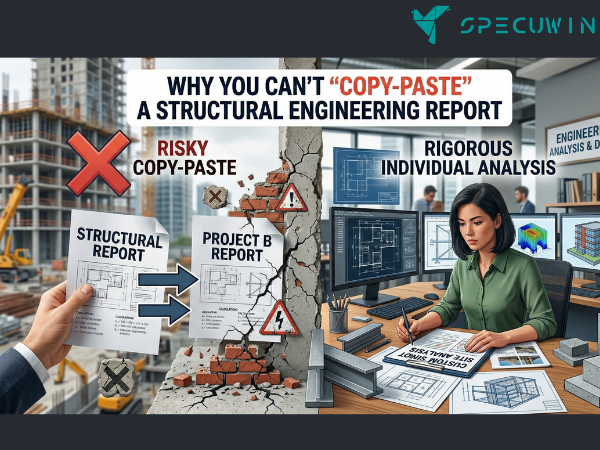
  • How to Determine Structural Column Size: A Comprehensive Guide

    How to Determine Structural Column Size: A Comprehensive Guide

    In the world of construction, columns are the unsung heroes that keep our roofs overhead and our floors steady. They are the primary vertical load-bearing elements that transfer the weight of a structure down to the foundation. If a beam fails, you might have a sagging floor; if a column fails, the entire structure is at risk. That is why understanding How to Determine Structural Column Size is one of the most critical steps in the architectural and engineering process.

    Whether you are a student, a budding developer, or a homeowner curious about the skeleton of your house, sizing a column isn’t just about picking a thick piece of concrete or steel. It is a delicate balance of physics, material science, and safety factors. In this guide, we will break down the complex world of axial loads, slenderness ratios, and material properties to help you understand the fundamentals of column design.

    The Importance of Knowing How to Determine Structural Column Size:-

    Before we dive into the math, we must understand the “why.” A column that is too small will buckle under pressure, leading to catastrophic structural failure. Conversely, a column that is excessively large wastes expensive materials, increases the building’s self-weight, and eats up valuable floor space.

    When engineers look at How to Determine Structural Column Size, they aren’t just looking at the weight of the furniture. They are looking at “Dead Loads” (the weight of the building itself), “Live Loads” (people and movable objects), and environmental loads like wind and seismic forces. In fact, if you’re interested in how buildings survive extreme conditions, you might want to read about Innovations in earthquake-resistant design.

    Step 1: Calculate the Tributary Area:-

    The first step in How to Determine Structural Column Size is identifying how much area a specific column is responsible for supporting. This is known as the Tributary Area.

    Imagine a grid of columns in a warehouse. A single interior column typically supports half the distance to the next column in every direction. If your columns are spaced 20 feet apart in a square grid, one interior column supports a 20′ \times 20′ square of the floor above it.

    Why Tributary Area Matters:

    The larger the tributary area, the more load the column accumulates. For multi-story buildings, you must multiply this area by the number of floors above the column. This cumulative force is what dictates the eventual thickness of the column.

    Step 2: Identify Loading Requirements:-

    Once you have the area, you need to know the pressure being applied to it. In the context of How to Determine Structural Column Size, loads are generally categorized into three types:

    1. Dead Loads: This includes the weight of the concrete slabs, beams, walls, flooring, and permanent fixtures.
    2. Live Loads: This varies by building use. An office building has higher live load requirements than a residential house, and a library (with heavy books) has even higher requirements.
    3. Environmental Loads: Depending on your location, you must account for snow, wind, and seismic activity. For those working in high-risk zones, understanding seismic retrofitting is essential for column reinforcement.

    Step 3: Material Selection and Its Impact on How to Determine Structural Column Size:-

    The material you choose changes the calculation entirely. A 12-inch reinforced concrete column has very different load-bearing capacities than a 12-inch steel I-beam.

    Reinforced Concrete Columns:

    Concrete is excellent in compression but weak in tension. To fix this, we add steel rebar. When determining size, we look at the “Short Column” vs. “Slender Column” distinction. Most residential columns are designed as short columns to avoid buckling.

    Steel Columns:

    Steel is much stronger per square inch than concrete, allowing for slimmer profiles. However, steel is highly susceptible to buckling if the column is too tall and thin. This leads us to a critical concept in How to Determine Structural Column Size: The Slenderness Ratio.

    Step 4: The Slenderness Ratio and Buckling:-

    You can’t talk about How to Determine Structural Column Size without mentioning Euler’s Buckling Formula.

    P{cr} = \frac{\pi^2 EI}{(KL)^2}

    Where:

    • P{cr} is the critical buckling load.
    • E is the Modulus of Elasticity of the material.
    • I is the Moment of Inertia (related to the shape of the column).
    • KL is the effective length of the column.

    Basically, the taller the column, the more likely it is to “bow” or buckle in the middle before the material actually crushes. If you are designing a high-ceiling lobby, your columns will need to be significantly thicker than those in a standard 8-foot basement, even if they are carrying the same weight.

    Step 5: Preliminary Sizing Rules of Thumb:-

    While software like Revit and STAAD.Pro handle the heavy lifting today, every engineer uses “rules of thumb” for initial sketches. If you are exploring The role of technology in structural analysis, you know that these digital tools are only as good as the initial logic provided by the human designer.

    • For Concrete: A common starting point for a typical two-story residential building is a 12″ \times 12″ (300mm x 300mm) column with 1% to 2% steel reinforcement.
    • For Steel: Engineers often look at the depth of the beam it supports; the column is often roughly the same depth to ensure a clean connection.

    The Role of BIM in How to Determine Structural Column Size:-

    Modern construction has moved away from manual 2D drafting. Using Building Information Modeling (BIM) allows engineers to simulate loads in a 3D environment. This ensures that column sizes are optimized not just for safety, but for cost-efficiency. If you are new to this tech, check out this BIM for beginners guide.

    BIM helps identify if a column size interferes with plumbing or HVAC ducts before a single drop of concrete is poured. This level of coordination is why BIM is transforming consultancy worldwide.

    Common Mistakes in Column Sizing:-

    Even professionals can run into issues when considering How to Determine Structural Column Size. Some of the most frequent errors include:

    • Ignoring Eccentric Loading: Not all weight sits perfectly on the center of a column. If a beam connects to the side, it creates a “bending moment,” which requires a larger column or more reinforcement.
    • Neglecting Future Use: If a homeowner decides to add a rooftop garden or a third story later, the original columns may not be sufficient.
    • Poor Material Quality: Even the best calculations fail if the concrete mix is poor. This highlights the impact of material selection on structural integrity.

    When to Consult a Professional:-

    Trying to figure out How to Determine Structural Column Size on your own is a great intellectual exercise, but for actual construction, you must hire a licensed structural engineer. They provide the legal and technical assurance that your building won’t just stand today, but will withstand the tests of time and nature.

    Choosing the right expert is vital. If you’re unsure where to start, read this guide on How to choose the right structural engineer.

    Conclusion: Final Thoughts on How to Determine Structural Column Size:-

    Determining the size of a structural column is a journey from the top of the building to the bottom of the soil. It starts with the roof’s weight, travels through the beams, gets calculated via the tributary area, and is finally finalized based on material strength and height. By mastering How to Determine Structural Column Size, builders ensure that our built environment remains safe, functional, and beautiful for generations to come.

    Frequently Asked Questions:-

    1. What is the minimum size for a concrete column in a residential building?
    A. Generally, for a single-story or two-story home, the minimum size is often 9″ \times 9″ or 12″ \times 12″, depending on local building codes and the span between columns.

    2. Does the shape of the column affect how to determine structural column size?
    A. Yes. Square, rectangular, and circular columns have different “Moments of Inertia.” Circular columns are often more efficient for purely axial loads, while rectangular columns are better at resisting bending forces from one direction.

    3. Can I reduce the column size if I use higher-strength steel?
    A. Yes, increasing the grade of the steel reinforcement or using high-strength concrete can allow for a smaller cross-sectional area, though you must still watch out for the slenderness ratio to prevent buckling.

    4. How does soil quality impact column sizing?
    A. While soil doesn’t change the column size directly, it dictates the importance of soil testing for the foundation. If the soil is weak, the column’s load must be distributed over a much larger footing.

    5. How often should columns be inspected for safety?
    A. In older buildings, you should check for cracks or “spalling” every few years.


    Read More On:-

    For more information about engineering, architecture, and the building & construction sector, go through the posts related to the same topic on the Specuwin Blog Page.

    Find out more accurately what we are going to take off in the course of applying leading new technologies and urban design at Specuwin.